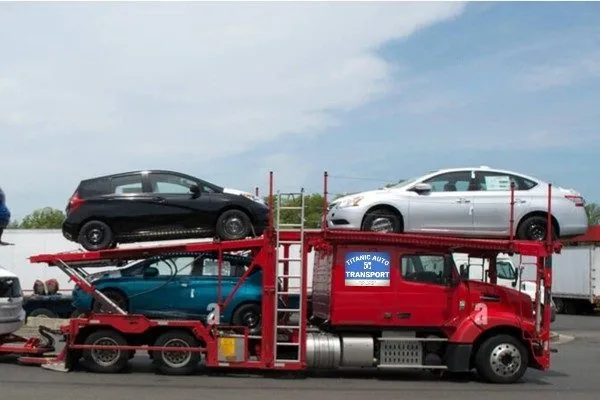
Book North Carolina car shipping with a personalized quote and transport options for your vehicle, dates, and coast-to-mountain destination. Get started today.
Real, live reviews pulled directly from our Google Business Profile.
Loading reviews…
Call +1 (888) 719-5659 or use our instant online quote form — most routes are dispatched within 24–48 hours.
Get an Instant QuoteNorth Carolina connects the Atlantic coast, the Piedmont’s large metros, and the Blue Ridge foothills. A Wilmington beach-area delivery differs from a Charlotte business district and a mountain home outside Asheville. Give the actual city or town, ZIP code, full address, and precise vehicle location for both endpoints. If the mailing city is not the local municipality, add the local name. “Triangle,” “Triad,” “coast,” or “mountains” can orient a conversation but cannot serve as a carrier address.
Describe the final access: surface, slope, gate, building entrance, clearance, turning room, and loading hours. A long trailer may not fit a narrow coastal street, campus garage, or mountain driveway. Ask a local person to check access before the scheduled window. If the address will not work, arrange a permitted staging point at a property with enough space for inspection. Identify who will meet the driver and provide a direct number. These details let the provider plan a route and quote based on the real pickup and delivery rather than a broad regional label.
I-40, I-77, I-85, and I-95 link North Carolina’s principal travel corridors and connect Charlotte, the Triangle, the Triad, and eastern communities. The closest interstate does not guarantee the final stop has room for a carrier. A downtown garage, apartment loading dock, suburban cul-de-sac, and university campus each have separate entry rules. Provide the neighborhood and entrance, and ask a property manager whether a commercial transporter needs an appointment or visitor authorization.
NCDOT’s DriveNC and 511 information report closures, construction, incidents, and other travel conditions. Check current updates near the move and share a material disruption with dispatch. A traffic map does not confirm private access or commercial-route suitability. Do not ask the driver to use a shoulder or blocked lane for loading. If a work zone affects the destination street, identify an authorized alternate location and ensure the receiver can reach it. A realistic time window allows for metro congestion and the carrier’s earlier stops.
Beach towns and barrier-island communities can see heavier seasonal traffic, event congestion, and limited space on residential streets. Name the specific town and confirm whether the vehicle is at a year-round home, vacation rental, hotel, or managed community. Ask whether commercial carriers may enter and whether the driveway or visitor lot is available during the move. A beach access or marina entrance is not automatically a suitable loading site. If the property is narrow, arrange a permitted nearby location with enough room to maneuver.
NCDOT travel information includes coastal route information and road closures; current ferry or crossing conditions may matter for some destinations. Confirm any ferry or special connection directly with the operator and with dispatch. Do not assume a standard auto carrier can board every passenger ferry or access every island road. For a seasonal move, provide a range and identify a local contact who can open the property, check the approach, and receive the car. If a storm or closure alters access, move the handoff to a safe site rather than leaving the truck to improvise near the coast.
A western North Carolina address may involve a grade, switchback, narrow bridge, gravel road, or private drive beyond the main highway. Give directions from a named road and describe width, surface, overhead clearance, gate, and turnaround space. A passenger car can reach a home where a multi-car carrier cannot safely go. Ask a local contact to check for storm damage, snow, construction, and soft shoulders shortly before the carrier arrives.
If the approach is too tight, select an authorized meeting site at a larger paved property or town-side lot. Confirm permission, operating hours, room to inspect, and the recipient’s ability to get there. Do not rely only on a GPS pin, which may direct the driver to a trailhead or service road. A cabin or vacation home should have someone available to unlock gates and clear the vehicle area. Disclose the route limitation when requesting a quote so equipment and schedule are set appropriately.
North Carolina has large university, health, military, distribution, and manufacturing properties where the public entrance may not admit a transport carrier. Contact the facility before booking to confirm the approved gate, check-in procedure, appointment, escort, and loading zone. Ask whether the vehicle can be staged outside if the internal road or garage is unsuitable. Give the name and phone number of the person authorized to release the car. Do not rely on a generic campus or office address to identify the right entrance.
At a dealership, auction, storage yard, or fleet site, provide the stock or lot number, release status, operating hours, and any required paperwork. Resolve holds before dispatch and make keys available. Tell the provider whether the car runs. A facility may need to register the carrier in advance or use a different gate for trailers. A confirmed appointment and contact can prevent a driver from arriving at a locked entrance after crossing the state.
Open transport is a common option for everyday vehicles on an uncovered trailer. Enclosed transport uses a covered trailer and may be requested for a classic, collector, luxury, or sensitive vehicle. Availability depends on route, size, schedule, and carrier capacity. Disclose low clearance, oversized tires, modifications, roof accessories, or a mechanical problem. Explain whether the car starts, rolls, steers, and brakes so dispatch can plan loading.
Provide the year, make, model, full addresses, requested service, and date range when seeking an estimate. Include any gate, dock, ferry, rural-road, or parking restrictions. Door-to-door service reaches the closest safe and lawful point the carrier can access; it does not guarantee entry to a resort, garage, private road, or restricted curb. Ask what the quote includes, how pickup timing is estimated, payment terms, and cancellation conditions. If a deadline is important, say so before booking and ask for a realistic route schedule.
Take dated photographs before pickup, including every side, roof, bumpers, wheels, glass, and existing marks. Remove loose belongings and have keys available. Walk around the car with the driver and review the condition report. Retain the paperwork and carrier contact details. A third-party pickup contact should know the order number, the approved entrance, and whether they may sign the release.
At delivery, inspect before signing and note any concern on the receipt. Confirm the receiver will be present at the actual meeting point for the full estimated range. If weather, traffic, a ferry, or building access changes the site, contact dispatch and share the same update with both endpoints. A backup contact is useful at remote homes or facilities with limited phone access. Clear communication keeps the inspection complete even when a carrier uses an alternate lot instead of the street address.
Charlotte, Raleigh and Greensboro connect a state that also stretches to the Outer Banks and Appalachian communities. I 26, I 40, I 77, I 85 and I 95 cover long cross-state trips; ferries and steep mountain approaches may shape the last miles. Include the exact region and any bridge, ferry or driveway access limits. This helps set a realistic plan for coastal, Piedmont or mountain pickup locations.
Learn more about open car shipping, enclosed car shipping and door to door transport, or request a free quote for your route.
Click any state to see local pickup & delivery details, or call +1 (888) 719-5659 for a route-specific quote.
Get an instant, no-obligation quote in minutes — licensed, bonded & insured nationwide.