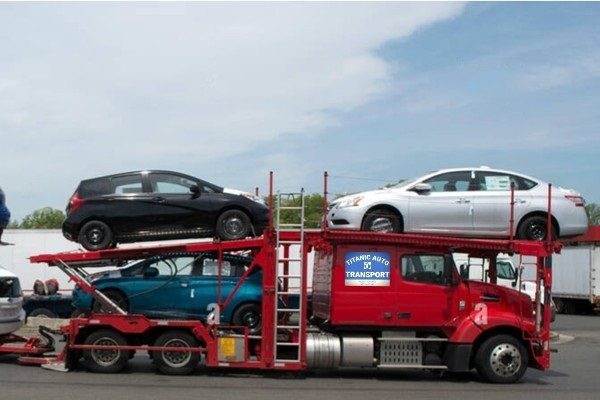
Need auto transport in Illinois? Get a route-based quote and choose pickup timing and trailer service for your home, dealership, or business destination.
Real, live reviews pulled directly from our Google Business Profile.
Loading reviews…
Call +1 (888) 719-5659 or use our instant online quote form — most routes are dispatched within 24–48 hours.
Get an Instant QuoteIllinois connects the Great Lakes region with the Mississippi River and the agricultural interior. A move to Chicago differs from a pickup near Peoria, Springfield, Champaign-Urbana, Rockford, Carbondale, or a farm outside a small town. Supply complete addresses, ZIP codes, and the nearest community if either endpoint is rural. Identify the vehicle’s actual location and whether a dealer, auction, storage yard, employer, or private owner will release it.
Interstates I-55, I-57, I-70, I-74, I-80, and I-90/I-94 serve different directions through the state. A route reference cannot replace a street address or describe the last mile. State the county or town for a remote property and describe the road surface, gate, turning area, and any seasonal access issue. If a transport rig cannot safely reach the site, select an approved handoff location in advance.
Chicago-area pickup sites range from downtown towers and two-flats to industrial yards, suburban subdivisions, and airport-area facilities. Street width, parked cars, loading rules, garage height, and building security can all affect where the carrier can stage. Provide the neighborhood and exact entrance, not just “Chicago.” Ask the building manager whether a commercial carrier may use a dock or loading area and whether an appointment or certificate is needed. A passenger car fitting in an alley or garage does not mean a car-hauling trailer can enter.
If the requested curb is not suitable, agree on a wider legal location with permission. Include the selected address in the quote request and notify the receiver. Do not promise reserved curb space unless it has been arranged. Detailed access information helps avoid dispatching a driver to a blocked street or a location that cannot support loading.
A Chicago shipment may continue to Naperville, Aurora, Joliet, Elgin, Rockford, or beyond the metropolitan area. Those places are not interchangeable for dispatch and pricing. Enter the municipality displayed in the address and include the complete destination. A move to central Illinois, the St. Louis region, or southern Illinois involves a different route and distance from a nearby suburb. For farms, equipment yards, and rural homes, state the nearest town and provide directions to the exact access road.
Confirm whether a full-size carrier can turn around and whether there is a firm surface for staging. If an alternate meeting point is needed, get permission and make sure the customer can reach it. A route estimate based on a city center can miss a long rural detour; share the true final approach before accepting a quote.
Northeastern Illinois includes dense neighborhoods, major logistics sites, rail yards, and businesses with controlled entrances. A vehicle at an industrial facility may require a safety briefing, badge, appointment, or approved carrier list. Provide the gate, check-in desk, release contact, operating hours, and lot or unit number. Verify that the vehicle is ready before dispatch; a facility hold can leave a driver waiting while the route proceeds elsewhere.
At a lakefront or downtown address, narrow access and parking rules may make street-side loading difficult. Ask property management what space is available and whether loading is permitted at the scheduled time. If a public or private lot is proposed as an alternative, confirm the carrier can enter and that its owner allows loading. Do not assume a shopping or transit lot is available just because it appears open.
Communities around Springfield, Decatur, Bloomington-Normal, Peoria, and Champaign-Urbana serve broad surrounding areas. A destination may be a university district, a hospital campus, a dealership, a home, or a property well beyond town. Identify the exact site and any event or campus traffic controls. For rural addresses, provide the nearest paved road and whether a large truck can access the private drive. A seasonal field entrance or ungraded lane may not support a loaded trailer.
If pickup occurs at a farm or worksite, share check-in arrangements and tell dispatch whether an escort or safety gear is required. Identify who can release the vehicle and how to reach them. Choose a wide accessible meeting point if the property route is too narrow or soft. The receiver should know the meeting plan and have sufficient time to complete an inspection.
Illinois Department of Transportation travel resources provide information for planning around road construction and current travel conditions. Check updates near the move, especially for a route through the Chicago region or a work zone along an interstate. Snow, rain, incidents, congestion, and closures can change a carrier’s ETA. A map or report is a planning aid rather than a guarantee of conditions at the destination driveway. The carrier makes the final operating decision when a route is unsafe or inaccessible.
Keep contacts reachable during the pickup and delivery window. If the original street or facility entrance is blocked, ask dispatch to coordinate a safe alternate location or date. Mention any hard deadline while requesting a quote. Do not plan a closing, flight, or shift change around an unconfirmed arrival hour; ask the coordinator what can be promised and what remains an estimate.
Describe whether the vehicle starts, rolls, steers, and brakes. Tell dispatch about low ground clearance, oversize tires, modifications, battery issues, or other conditions that influence loading. If a dealer, auction, repair shop, or storage facility holds the car, confirm release status, appointment hours, required paperwork, and the correct entrance. Share the name and direct number of the person who can hand over the keys.
Remove personal belongings and loose accessories before pickup. Photograph the vehicle, inspect it with the driver, and keep the condition report. At delivery, compare the car with the original record and document any concern. A representative can complete the handoff for you if they are authorized and have the order details. Clear preparation limits delays at a facility with strict operating hours.
Open transport uses an uncovered trailer and works for many standard cars. Enclosed service provides a covered trailer and may be chosen for a classic, collectible, luxury, or sensitive vehicle. Availability depends on the origin, destination, dates, and vehicle dimensions. Door-to-door means the closest safe, legal location the carrier can reach; it does not ensure access to every alley, garage, loading dock, or private lane. Include access conditions at both ends before selecting a service.
A route-specific quote should include year, make, model, condition, complete addresses, preferred service, and date range. Add facility restrictions and local staging details. Ask what the rate covers, how pickup timing is estimated, payment terms, and cancellation conditions. If you change an address or date, contact dispatch promptly so the carrier receives the updated route.
Chicago access calls for attention to parking, loading docks and neighborhood stopping rules. Central Illinois and southern counties offer different handoff conditions, even when the route follows I 55, I 57, I 70, I 80 or I 90. Tell us whether the vehicle is in the metro or outside it, then name the community at the other end. A precise location helps distinguish a city pickup from a longer downstate run.
Learn more about open car shipping, enclosed car shipping and door to door transport, or request a free quote for your route.
Click any state to see local pickup & delivery details, or call +1 (888) 719-5659 for a route-specific quote.
Get an instant, no-obligation quote in minutes — licensed, bonded & insured nationwide.