01Specify Seattle and the exact side of the handoff
A Seattle address needs more detail than the city name. Provide the street, ZIP code, neighborhood or cross street, and whether the car is in a residence, apartment building, parking garage, dealership, or commercial property. If the vehicle is in a nearby municipality, use its actual city rather than defaulting to Seattle. A quote based on a broad metro label can miss both local mileage and the location’s access constraints.
Tell the coordinator where a large carrier can stop legally and safely. A narrow residential block, steep street, controlled lot, or low garage may not accommodate a multi-car truck. Ask building management about loading reservations, vehicle staging, and access hours. If a nearby lot or wider road is needed, confirm it is permitted and that you can bring the car there before dispatch.
02Building access and curb space require advance coordination
Condominiums, apartments, office buildings, and commercial garages may have their own procedures for vehicle loading. Confirm gate codes, clearance, loading docks, parking reservations, and who can authorize entry. A carrier should not be expected to wait at a security gate while a customer searches for approval. Give dispatch a direct contact who will be present and reachable during the full pickup window.
If curb access is limited, choose a nearby legal staging point before the carrier is assigned. Make sure the location has room to inspect and load without blocking moving traffic. Share that address with the transport coordinator so it appears in the route instructions. A good handoff location can be more important than having the truck pull up to the exact building entrance.
03A Seattle shipment may cross the water
Some destinations described as “Seattle area” are across Puget Sound or on an island. State the actual town and whether reaching the address requires a ferry. Ask the transport provider whether the carrier will travel on the ferry, where a vehicle transfer would occur, who arranges a reservation, and whether a local handoff is needed. Do not assume a reservation or ferry fare is part of a standard quote. A mainland meeting point may be simpler if the carrier’s equipment cannot use the crossing as planned.
If a ferry crossing is part of the route, coordinate the sailing time with pickup and delivery windows and ensure the receiving person can meet the vehicle. Give a backup phone number in case a sailing or road delay changes the schedule. The car should be at the agreed location with keys and release information ready. Clear responsibilities prevent the customer and carrier from each assuming the other party arranged the crossing.
04Interstate destinations start with I-5 or I-90 but end at an address
I-5 and I-90 help orient a long-distance Seattle shipment, but the destination determines the full itinerary. A move south to Oregon or California differs from an eastbound trip across the Cascades or a shipment to a smaller Washington town. Provide complete street addresses, city, state, and ZIP at both ends. If the receiving location is rural or elevated, add the final road conditions and turning space. A map route is not a delivery plan until the carrier can safely meet the recipient.
If you are buying a vehicle, confirm the seller’s address and release hours. For a relocation, identify who will receive it and whether that person can be at the handoff. Mention any fixed closing date, ferry booking, or move-out deadline when you request the quote. A date range where possible gives the coordinator room to match the car with the carrier’s route.
05Rain, construction, and pass conditions affect timing
Seattle-area traffic and roadwork can affect local pickup, while weather and pass conditions may influence trips east. A pickup window is an estimate rather than a promise of a specific hour unless that is explicitly confirmed. Keep your phone available and make sure the vehicle remains accessible. If a closure or restriction changes the approach, dispatch may need to revise timing or suggest a different staging location. Avoid setting an inflexible appointment that leaves no room for a carrier moving across the metro.
WSDOT’s travel site provides current alerts, route times, cameras, weather notices, and mountain-pass reports. Check information near the move and follow dispatch if conditions change. If a recipient is not at the destination yet, appoint someone local who can answer calls and meet the truck. A responsive contact is especially important when the shipment includes a ferry transfer or a route over the Cascades.
06Share the vehicle’s condition before dispatch
Tell the carrier the car’s year, make, model, and whether it starts, rolls, steers, and brakes. Mention lowered suspension, oversized tires, roof accessories, or other modifications that may affect loading. If it is at an auction, dealership, repair shop, or storage lot, confirm it is released and provide the entrance, operating hours, appointment details, and release contact. A vehicle that cannot be moved under its own power may need specialized equipment, so disclose that before a date is set.
Before pickup, remove personal belongings, prepare the keys, and photograph the exterior. Walk around the car with the driver and compare the inspection form to its condition. Keep a copy and repeat the inspection at delivery. If someone else represents you, give them the order details and authority to release or receive the vehicle.
07Pick equipment that fits the car and access point
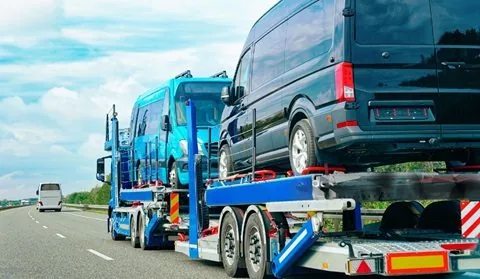
Open transport uses an uncovered trailer and works for many everyday vehicles. Enclosed shipping places the car inside a covered trailer and may be preferred for a collectible, classic, luxury, or sensitive vehicle. Ask what is available for your exact route and dates. The trailer’s size affects access at both ends, so confirm that it can reach the agreed Seattle staging area and the destination.
Door-to-door service depends on a legal, safe approach; it does not mean every narrow street, garage, or gated driveway can be used. If access is uncertain, arrange an approved nearby handoff before dispatch. Compare the quote’s service details, pickup window, payment terms, and cancellation policy. If you need expedited transport, tell the coordinator the deadline and ask what can be confirmed rather than assuming a particular arrival hour.
08Keep the delivery plan and inspection simple
Give the recipient the expected delivery range, driver contact process, and exact meeting location. If delivery is to an island, apartment complex, or managed property, verify access and who can meet the carrier. Route changes should be sent through dispatch so the driver has the current instructions. If you are away from Seattle, appoint a trusted local person who can inspect the car, sign the report, and reach you with questions.
Photograph the vehicle at pickup and delivery, review the condition paperwork at both ends, and retain a copy. Do not rush the inspection because the truck needs to continue. A clear plan for keys, access, and the receiving contact makes the last handoff easier than relying on an address alone.