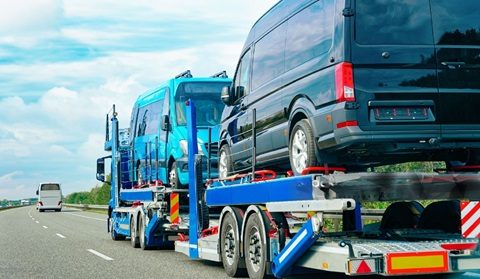
Ship a vehicle across Arkansas with carrier options and pickup planning for city, mountain, river valley, or rural destinations. Request your route-based quote.
Real, live reviews pulled directly from our Google Business Profile.
Loading reviews…
Call +1 (888) 719-5659 or use our instant online quote form — most routes are dispatched within 24–48 hours.
Get an Instant QuoteArkansas includes the Ozarks and Ouachita highlands, the Little Rock corridor, the Arkansas River Valley, and the eastern Delta. A shipment to Little Rock differs from one to Fayetteville, Fort Smith, Jonesboro, Texarkana, or a rural cabin. Provide full addresses and ZIP codes; name the nearest town if a property sits outside one. Identify whether the vehicle is at a residence, dealer, auction, storage yard, campus, or work site.
I-30, I-40, I-49, I-55, and I-55 serve different approaches, while local mountain and county roads can determine the last-mile plan. Describe surface, grade, gates, bridge limits, and turning space. If a carrier cannot safely reach the property, choose an authorized public or commercial meeting location. Send directions and a local contact who can verify access, particularly for a cabin, farm, or business beyond a paved state route.
Fayetteville, Springdale, Rogers, and Bentonville form a connected region, but each address has its own traffic patterns and access rules. Use the actual municipality and street rather than referring only to Northwest Arkansas. A university, corporate campus, apartment complex, and residential subdivision have different entrance procedures. Ask about loading areas, security, parking, garage clearance, and the person who can meet the carrier.
Construction or a busy event may affect a campus entrance or commercial district. If a large trailer cannot stage near the vehicle, agree on an approved alternate and confirm the customer can reach it. For a rural property near the Ozarks, supply the road surface, gate, grade, and turn-around information. Do not assume a winding lane suitable for a car can handle a multi-car carrier.
Jonesboro, Blytheville, Helena-West Helena, and smaller Delta communities can be separated by long rural stretches. A destination may be a farm, river-adjacent property, or business yard off the principal highway. Provide the nearest town, county, exact access road, gate, and written directions from a recognizable route. Let dispatch know whether a heavy carrier can cross local bridges and turn around.
If the final road is soft, unpaved, or narrow, select a safe meeting point on a maintained route and confirm permission. The receiver should know how to reach it and be available through the estimated window. A pin placed in a field or at a highway junction does not identify the property entrance. Early direction details can prevent a long detour or a missed handoff.
The Ozarks and Ouachita regions include cabins, resorts, and homes on winding or steep roads. A route to a town does not prove a long trailer can reach a ridge-top driveway or lake community. Describe grade, turning radii, pavement, clearance, gate access, and seasonal maintenance. Confirm whether the association or property owner permits commercial trucks. If the road is unsuitable, arrange an approved spot in a nearby town with enough space for loading and inspection.
Share a local contact who can verify weather and road access. A cabin may be closed or unstaffed when the carrier arrives, so confirm someone will attend. Provide any gate code and alternate meeting address through dispatch. The driver should not be asked to reverse a loaded rig along a narrow mountain road to reach a house.
ARDOT’s traveler resources point drivers to IDrive Arkansas for current traffic conditions, construction information, road closings, lane closures, and width restrictions. Check the route near pickup and delivery, particularly when the trip crosses a mountain corridor or active work zone. A report is useful for planning but may not show conditions on every county road, private drive, or bridge. The carrier decides whether the route and staging site are safe.
Keep contacts available throughout the window. If a closure, storm, or access issue changes the plan, coordinate a safe alternate location or date through dispatch. Share any fixed deadline when you request a quote. An estimated arrival should remain flexible unless a specific appointment has been confirmed.
A dealer, auction, repair shop, storage facility, or fleet may require a release number, appointment, carrier authorization, or an approved entry. Verify the vehicle is ready and provide the correct gate, business hours, lot reference, and direct contact. If the property has safety requirements, check whether an escort or protective equipment is required. A general street address may not identify the loading area.
Tell dispatch whether the car starts, rolls, steers, and brakes. Disclose modifications, low clearance, oversize tires, and mechanical issues. Remove personal property and loose items, prepare keys, and take photos. Review the inspection form with the driver at pickup and delivery. If another person attends, ensure they have written authority and can sign.
Open transport uses an uncovered trailer and is commonly selected for standard cars. Enclosed service provides a covered trailer and may suit a classic, collector, luxury, or sensitive vehicle. Availability depends on the route, date, and equipment dimensions. Door-to-door means the nearest safe, legal point the carrier can reach; it does not guarantee access to a cabin road, private lake lane, low bridge, or gated facility. Discuss staging at both ends before booking.
A useful quote includes year, make, model, condition, complete addresses, date range, and service preference. Add access and release details. Ask what the price covers, how the pickup estimate is calculated, payment terms, and cancellation conditions. If the property or schedule changes, contact dispatch promptly.
If the route includes a lake community, college town, or rural worksite, ask whether local events or seasonal operations change how the property is entered. A gate may be closed outside staffed hours or a road may be maintained only for residents. Identify a contact who can meet the driver and guide the carrier from the main route. For a farm or timber site, confirm the loading area is firm and clear of equipment. If an alternate lot is required, verify that it is open and authorized before dispatch. Keep the same pickup instructions in the booking record and in the message to the person releasing the vehicle so the carrier does not receive conflicting directions.
Ask the receiving person to check the address and directions before the carrier begins the trip. Rural mail routes, farm entrances, and business gates can use similar road names, and a wrong turn may add considerable time. Share the exact point where the vehicle will be inspected and loaded. If the customer changes the meeting plan, notify dispatch so the carrier does not head to a closed or inaccessible entrance. Keep a second contact available when mobile coverage is limited in a remote area.
Little Rock sits near the state’s central routes, while Ozark communities and the Delta have different road approaches. I 30, I 40, I 49, I 55 and I 57 connect the main regions. Tell us whether the vehicle is on a paved road or a rural driveway, and provide the nearest town. Those details help the team assess the final miles and suggest an accessible handoff when needed.
Learn more about open car shipping, enclosed car shipping and door to door transport, or request a free quote for your route.
Click any state to see local pickup & delivery details, or call +1 (888) 719-5659 for a route-specific quote.
Get an instant, no-obligation quote in minutes — licensed, bonded & insured nationwide.