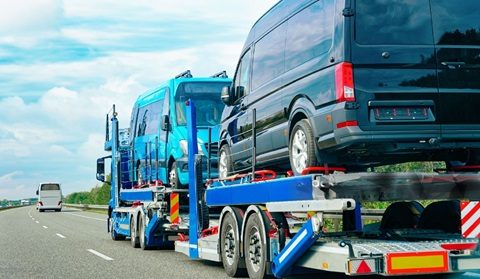
Request West Virginia auto transport for your vehicle and route, with carrier planning shaped around your dates, destination, and property access.
Real, live reviews pulled directly from our Google Business Profile.
Loading reviews…
Call +1 (888) 719-5659 or use our instant online quote form — most routes are dispatched within 24–48 hours.
Get an Instant QuoteWest Virginia addresses often sit beyond ridge crossings, in river valleys, or along local roads that leave a major route. A pickup in a metro area differs from a property on a steep hollow road or a remote ridge. Provide the exact town, county if useful, ZIP code, and complete address at each end. Identify the nearest main road and describe the last approach in practical terms: pavement, grade, width, bridge limits, overhead clearance, gate, and turnaround. A name such as “near the mountains” does not tell a carrier how to reach the vehicle.
Ask someone local to verify the approach and confirm the vehicle can be staged where a multicar trailer can safely load it. Snow, rain, rock work, or a narrow shoulder can change accessibility. If the private road cannot take the equipment, arrange a permitted meeting point on a wider paved road or in a nearby town. Make sure the owner can get there and that a contact will remain available. Dispatch needs the real handoff site before assigning a carrier; a route that reaches the county may still fail at the driveway.
I-64, I-77, I-79, and I-81 serve parts of West Virginia and connect to regional markets, but routes between counties may involve winding highways and extended local approaches. State the origin and destination fully, including the community beyond the nearest interchange. Do not assume the shortest passenger-car route suits a loaded transport vehicle. Discuss any bridge or road restriction with dispatch and allow the carrier to select an appropriate route for its equipment.
WV 511 reports road conditions, closures, and other travel information. Check it near the move and notify dispatch when an advisory affects the planned lane. Conditions can change quickly in mountain weather, while private roads may not appear in the system. A local contact can verify the last few miles and the driveway surface. If work blocks the agreed entrance, coordinate a safe alternate. Do not ask a driver to wait on a narrow shoulder or reverse down a winding road. A realistic date range helps account for weather and the time required to reach outlying locations.
A riverfront address may be near commercial activity, rail infrastructure, or a dense street grid; an upland property may have a steep approach and little turnaround space. Explain which situation applies. At a business or industrial site, confirm the gate, check-in point, vehicle release process, and whether active equipment blocks the loading area. At a rural home, identify a safe flat area and disclose any driveway grade or surface issue. Give the carrier a person who can direct the final approach.
If the vehicle is in an apartment or office garage, check ceiling clearance and turning space. Many transport trailers cannot enter parking structures. Choose an outdoor handoff approved by the property if needed. If a rural driveway is too difficult, meet at a large, authorized lot with enough room to inspect. Confirm the lot’s permission and the receiver’s ability to get there. The correct meeting point may be different at each end of the same shipment, so write down both rather than assuming a standard doorstep pickup.
Weather at a valley city can differ from conditions on a ridge or at a higher elevation. Snow, ice, fog, heavy rain, and freeze-thaw cycles can affect both state routes and private access. Ask a person at the property to check the road and clear the vehicle area near the carrier date. If an unpaved approach is soft or a hill is slick, move the handoff to a maintained paved site. The driver makes the final safety decision, so disclose known hazards rather than expecting the carrier to discover them on arrival.
Use WV 511 for official road information and check local access separately. Leave flexibility in the pickup window when weather is unsettled. If a facility has fixed hours, tell the provider and identify a backup day. Keep a second contact available for a remote home where phone reception may be limited. A snow-covered driveway or closed gate can make a nominally scheduled stop impossible even when the primary highway remains open.
Send a short written route from a named main road, identify the driveway, and mention landmarks only as supporting details. Maps may place a pin at a logging road, private lane, or neighboring entrance. State whether a gate is locked and who can open it. Give any weight limit, bridge restriction, tight turn, low wire, or seasonal road closure. A local person should be available to meet the carrier if the entrance is difficult to see.
If the address is too remote or steep for the carrier, select an agreed town-side meeting point. The site should have owner permission, an open schedule, clear pavement, and space for the trailer to turn and load. Make sure the receiver knows the correct time range and can travel to it. Do not rely on a roadside shoulder, trailhead, or closed business lot. A route plan that answers where to turn, where to stop, and who will be waiting reduces the chance of a long and unsuccessful trip.
Open transport is often appropriate for standard vehicles. Enclosed service uses a covered trailer and may suit classic, collectible, luxury, or sensitive cars. Route length, access, dates, and carrier availability influence equipment. Disclose modifications, low clearance, oversized tires, roof accessories, and mechanical concerns. State whether the vehicle starts, rolls, steers, and brakes. If it does not move under its own power, dispatch may need a winch or other equipment, and a narrow mountain site can affect whether loading is possible.
Provide year, make, model, condition, complete addresses, date range, and service preference. Include all road notes and any agreed alternative. Door-to-door means the closest safe and legal point available; it is not a guarantee of entry to a steep hollow, gated farm road, or restricted industrial yard. Ask what the estimate includes, how pickup timing works, payment schedule, and cancellation terms. Notify the coordinator if the location or condition changes after booking.
Photograph the car before loading in good light, capturing the body, roof, bumpers, windows, wheels, and existing marks. Remove loose belongings and have keys ready. Review the inspection report with the driver and keep a copy. If the vehicle is at an auction, dealer, or work site, confirm the release contact and lot details in advance. Make sure the driver can reach the actual car rather than a closed office entrance.
At delivery, inspect before signing and record any concern on the paperwork. A remote recipient should have the order number, final directions, gate instructions, and a reachable backup contact. If weather or access changes, coordinate a new meeting place through dispatch and tell both endpoints. One current written plan avoids conflicting instructions. Retain photographs and condition records through the full shipment, especially when the route includes multiple handoff contacts or a long final road that makes a second carrier visit difficult.
Charleston and Huntington connect West Virginia routes, but many destinations involve steep grades, winding roads or limited turning space. I 64, I 68, I 77, I 79 and I 81 are useful regional references rather than a promise of doorstep access. Describe the final approach, driveway slope and winter conditions. If a large carrier cannot reach the property safely, choose a level meeting point before the vehicle is scheduled.
Learn more about open car shipping, enclosed car shipping and door to door transport, or request a free quote for your route.
Click any state to see local pickup & delivery details, or call +1 (888) 719-5659 for a route-specific quote.
Get an instant, no-obligation quote in minutes — licensed, bonded & insured nationwide.