Get a Wyoming car shipping quote tailored to your route, vehicle, and timing, with transport options for cities, mountain communities, and rural addresses.
Real, live reviews pulled directly from our Google Business Profile.
Loading reviews…
Call +1 (888) 719-5659 or use our instant online quote form — most routes are dispatched within 24–48 hours.
Get an Instant QuoteWyoming spans open basins, mountain valleys, high plains, energy communities, and small towns separated by substantial driving distances. A move to Cheyenne is different from a delivery near Casper, Sheridan, Gillette, Jackson, Rock Springs, or a property beyond a paved route. Enter the full pickup and delivery addresses, ZIP codes, and the nearest town when a location is rural. Tell the coordinator whether the vehicle is at a residence, dealership, auction, storage facility, fleet yard, or work site, and who can authorize its release.
I-80, I-25, and I-90 form important state corridors, but the final approach may involve a county road, private ranch drive, steep grade, gate, or exposed stretch. Describe the surface, width, turnaround space, and any access limitation. If a carrier cannot safely reach the property, identify a practical meeting place before the vehicle is assigned. A broad state-level estimate cannot account for a distant final leg or a location that requires special staging.
I-80 connects communities across southern Wyoming and can be part of a long interstate shipment, while I-25 links the Cheyenne area with points north and south. Neither route guarantees a predictable arrival time. Wind, snow, visibility, road work, incidents, and traffic at junctions can affect a loaded carrier’s progress. Provide a pickup range rather than planning around a minute-specific arrival, and share any deadline before booking. If an appointment is essential, ask what can actually be confirmed and what remains an estimate.
The destination may sit well beyond an interchange. State whether the vehicle will be delivered in town or to an address outside it, and confirm whether a truck and trailer can turn around. A remote final stop can affect a route serving other customers, so communicate it at quote time rather than after dispatch.
Sheridan, Buffalo, Gillette, and the communities near the Black Hills have different access patterns and distances from major routes. A suburban driveway, a downtown business, a ranch entrance, and a mine or industrial facility each require a different handoff plan. For a worksite, ask about carrier check-in, escort requirements, operating hours, and approved staging areas. For a rural home, provide a local contact who can explain the last turn and confirm whether the road is passable for a long trailer.
Do not use a recognizable town name as a substitute for a destination address. Include county, ZIP, and the road name if the property is outside town. If directions rely on a landmark, add a precise written route and phone contact. A legal, level place nearby may be safer than asking a transporter to wait on a narrow shoulder or enter a private road without permission.
Jackson, Teton County, and western mountain communities can present narrow approaches, steep grades, seasonal weather, and limited places for a large carrier to stage. Describe whether the car is at a town address, resort property, private residence, or road beyond a maintained route. Ask the property manager where commercial vehicles may load and whether a gate or pass is needed. If a full-size transport rig cannot reach the exact address, arrange an approved handoff location with adequate space and tell the receiver how to get there.
A passenger car reaching a cabin does not mean a multi-car trailer can do so. Do not promise access on the carrier’s behalf. Share photos or specific measurements when a clearance or turn is uncertain, and let dispatch evaluate the route. If weather changes, use the agreed contact channel to adjust the meeting plan.
Cheyenne sits near major interstate connections, but the surrounding Laramie County includes properties far from the city grid. An address in a dense neighborhood may need curbside coordination, while an acreage or business yard may require directions from the main road and confirmation of a firm surface. Identify the exact community and whether city or county access rules apply. If snow, wind, or construction affects a narrow approach, prepare a second location where the vehicle can be safely inspected and loaded.
For a commercial pickup, confirm the facility can release the vehicle to the assigned carrier. Provide the entrance, hours, lot number, authorization details, and an on-site contact. A late release can disrupt a route through a state where the next available carrier may be far away. Early confirmation is especially useful when an auction or worksite has strict appointment windows.
Before a shipment crosses Wyoming, check the WYDOT 511 service for reported road conditions, incidents, closures, advisories, cameras, construction, and weather. The information is useful for planning but can change quickly; it is not a guarantee that a particular route or private approach will remain suitable. The driver and dispatch decide whether operating conditions are safe. Keep the pickup and delivery contacts reachable in case timing or access changes.
If a planned location becomes inaccessible, use dispatch to select a legal alternate site or a new window. Do not direct a carrier to bypass a closure or enter a road that is unsafe for its equipment. When an appointment is tied to a sale, move, or job start, explain the constraint before the quote so expectations can be set honestly.
Tell the coordinator whether the car starts, rolls, steers, and brakes. Disclose low ground clearance, oversized tires, mechanical faults, modifications, or attached equipment that could affect loading. For a vehicle at a dealer, auction, repair business, or storage yard, confirm the release is complete, the carrier can enter, and the correct person will be on site. Share gate procedures, appointment times, stock or lot numbers, and direct phone details. A truck arriving before authorization is ready cannot complete collection.
Remove personal belongings and loose accessories, gather the keys, and take dated condition photos. Walk around the vehicle with the driver and retain the signed inspection record. At delivery, repeat the inspection before accepting the car. If an agent handles either end, give them the order details and written authority in advance.
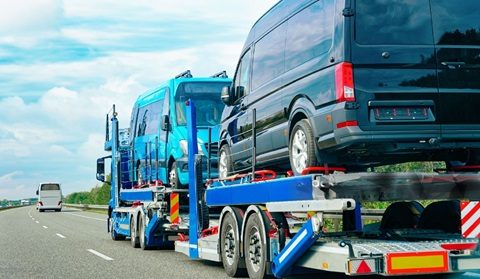
Open transport uses an uncovered trailer and suits many standard vehicles. Enclosed transport provides a covered trailer and may be requested for a classic, collectible, luxury, or sensitive vehicle. Ask about availability for the actual route and dates. Trailer size and access can matter at a ranch entrance or narrow mountain address. Door-to-door service means the nearest safe and legal location a carrier can reach; it does not guarantee entry to private roads, gated facilities, or every driveway.
For a useful quote, provide the vehicle year, make, model, condition, full addresses, date range, and service preference. Add rural directions, site hours, and contact details. Review what the rate includes, estimated pickup timing, payment arrangements, and cancellation terms. If a schedule or location changes, notify the coordinator promptly so dispatch can revise the plan.
Cheyenne, Casper and Laramie are separated by long stretches where wind and winter weather can affect carrier schedules. I 25, I 80 and I 90 cross open terrain and connect distant communities. Share the nearest town, road surface and any remote driveway directions. A flexible window gives dispatch room to consider conditions on exposed routes and to arrange a safe meeting point if the exact address is unsuitable.
Learn more about open car shipping, enclosed car shipping and door to door transport, or request a free quote for your route.
Click any state to see local pickup & delivery details, or call +1 (888) 719-5659 for a route-specific quote.
Get an instant, no-obligation quote in minutes — licensed, bonded & insured nationwide.