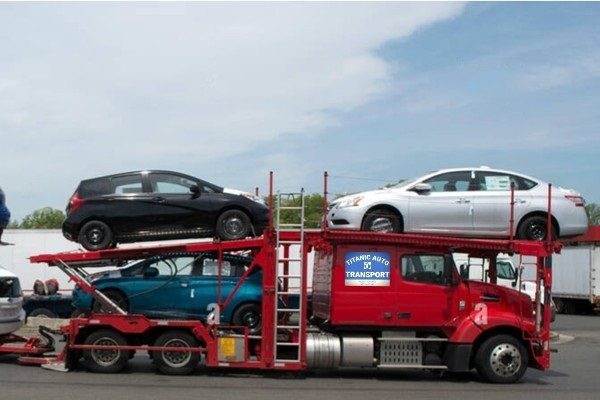
Get Mississippi auto transport for your full route, with shipping options for vehicles moving between inland cities, Delta communities, and the Gulf Coast.
Real, live reviews pulled directly from our Google Business Profile.
Loading reviews…
Call +1 (888) 719-5659 or use our instant online quote form — most routes are dispatched within 24–48 hours.
Get an Instant QuoteMississippi stretches from the Gulf Coast through central cities to the Mississippi River and the northern border. A shipment to Jackson is different from one to Gulfport, Hattiesburg, Tupelo, Oxford, Greenville, or a rural property. Provide complete street addresses and ZIP codes, plus the nearest town where a site is outside a city. Identify whether the vehicle is at a residence, dealer, auction, storage yard, business, or worksite.
I-55, I-20, I-59, and I-10 serve different regions, but the highway does not show the final approach to a private road or secured facility. Share gates, road surface, grades, turning space, and release rules. If a carrier cannot reach the address, arrange an approved meeting location with room to stage. Include the true destination instead of a state or county label so dispatch can price the distance and access accurately.
Biloxi, Gulfport, Pascagoula, and coastal communities may involve bridge approaches, port or industrial security, seasonal traffic, and hurricane-related disruptions. Name the actual town and vehicle location. For a condominium, marina, or resort, confirm where a commercial carrier may load, whether a gate code is active, and who can meet the driver. A beach or waterfront label does not identify a safe trailer staging area.
MDOT advises travelers to check MDOTtraffic.com, its mobile app, or 511 for changing roadway conditions. Use current reports while remembering that a clear highway does not guarantee a private access road is passable. For a property exposed to storms or evacuation controls, keep an alternate date or approved inland meeting place in mind. Share any coastal deadline before accepting an estimated pickup range.
Communities along the Mississippi Delta can be far apart, with homes, farms, and businesses reached by county roads beyond the main corridor. Provide the nearest town, road name, gate, surface, and a written description of the final turn. Tell dispatch whether the road is paved, maintained, and wide enough for a loaded carrier to pass and turn. A map pin beside a field does not tell the driver where the entrance is.
If the property is unsuitable, select a broad, permitted location in the nearest town and confirm the customer can meet there. For an agricultural site, identify who can open the gate and whether farm equipment or seasonal activity affects access. Share a local contact who can answer on move day. This prevents the carrier from losing time searching across a rural grid of roads and driveways.
Jackson-area moves may start in the city, a nearby suburb, an office campus, a dealership, or a property well beyond Hinds County. Provide the municipality and ZIP code at both ends. If the vehicle is at a hospital, university, government office, or industrial yard, confirm the correct entrance and loading permission. An appointment or security check-in may apply. At an apartment or downtown address, ask where a long carrier can stage and whether the building has a reserved dock.
For a route continuing to the coast or north toward the state line, include the actual destination rather than describing it as “Jackson area.” A rural property needs its final road and access notes. If the truck cannot enter, choose an approved meeting place and provide it to the receiver. A precise endpoint gives a quote a realistic distance and plan.
MDOTtraffic provides information for current roadway and traffic conditions, with mobile access and 511 also available. Check updates for incidents, road work, weather, and emergency impacts close to the move. Conditions can change between a report and carrier arrival, and public highway information may not reflect a neighborhood street or private gate. A transport driver makes the final decision about safe access and timing.
Keep contacts available during the agreed range. If storms, closures, or construction affect the planned stop, coordinate a new time or handoff point through dispatch. Tell the coordinator about work, school, or facility deadlines when requesting a quote. A specific arrival hour is not guaranteed unless the carrier confirms an appointment.
A dealer, auction, repair business, fleet, or storage facility may require a release number, appointment, carrier information, or designated pickup bay. Verify the vehicle is cleared, provide the gate and lot number, confirm opening hours, and share a direct release contact. If the property is secured, ask whether the driver must be listed or escorted. A truck cannot complete pickup if the car remains on hold or the gate attendant has not been briefed.
Tell dispatch whether the car starts, rolls, steers, and brakes. Mention modifications, low clearance, oversized tires, and mechanical issues. Remove personal items, prepare keys, and photograph the vehicle. Review the condition report with the driver and retain it. If a representative is attending, ensure they can authorize release and sign the inspection.
Open transport carries the vehicle on an uncovered trailer and is commonly selected for standard cars. Enclosed transport provides a covered trailer and may be preferred for classic, collectible, luxury, or sensitive vehicles. Availability depends on the route and dates. Door-to-door means the nearest safe and legal spot the carrier can reach; it does not ensure entry to a private farm road, gated marina, or narrow urban street. Discuss access at both ends.
For a quote, provide year, make, model, condition, complete addresses, service preference, and date range. Include release instructions, access limitations, and a local contact. Ask what the price includes, how pickup is estimated, payment timing, and cancellation conditions. Update dispatch if weather or a changed address affects the plan.
For a business shipment, identify whether the vehicle belongs to an employer, contractor, or customer and who has authority to release it. A site may require the driver to check in before approaching the vehicle, even when the lot is visible from the public road. Share those steps and allow enough time in the pickup range. At a residence with a long driveway, confirm it is not shared with farm operations or blocked by equipment. The receiver should have a safe place to stand during loading and enough space to complete an inspection. If the local contact changes, update dispatch before the truck is sent so the carrier is not relying on an outdated number.
Jackson, Gulfport and Hattiesburg help orient Mississippi service, though routes may also follow the river or reach Delta communities. I 10, I 20, I 55 and I 59 carry trips through distinct regions. Share the town and final-road conditions rather than relying on a broad state label. For seasonal or rural destinations, include a date range and whether a paved, open area is available for loading.
Learn more about open car shipping, enclosed car shipping and door to door transport, or request a free quote for your route.
Click any state to see local pickup & delivery details, or call +1 (888) 719-5659 for a route-specific quote.
Get an instant, no-obligation quote in minutes — licensed, bonded & insured nationwide.