01The Philadelphia address should identify its neighborhood and approach
Philadelphia includes Center City towers, rowhouse blocks, university properties, industrial yards, and neighborhoods with very different carrier access. Give the neighborhood, street, ZIP code, cross street, and exact location of the vehicle. If the car is at a garage, dealership, campus, or private lot, state the entrance and the person who can admit the driver. A city name alone cannot tell dispatch where a trailer can stop or whether a loading reservation is required.
Ask building management about service access, curb rules, low clearance, and hours. A tight block or one-way street may not safely fit a multicar carrier. If a driveway or loading area is unavailable, arrange a permitted staging location that has turning room and space for inspection. Confirm that the site owner accepts commercial loading and that the receiver can get there. A map pin should support directions, not replace an address and contact plan.
02Center City and campus pickups require a service entrance
High-rise offices, hospitals, universities, and hotels may have a separate dock or security gate for commercial vehicles. Ask which entrance will admit the transporter and whether a reservation, escort, or credential is needed. A public entrance can lead to a pedestrian plaza or garage ramp unsuitable for a carrier. If the vehicle is stored underground, confirm height and turning limits and arrange outdoor staging if necessary.
Give dispatch the name and direct number of the person who approved access. Confirm the loading space remains available throughout the pickup window. Event traffic and construction can change a block’s conditions, so check with the property near the date. If an alternate lot is needed, obtain permission and send its exact entrance. The person releasing the car should be present with keys and authorization rather than expecting a driver to find an attendant who does not know about the shipment.
03The river crossing is relevant to a South Jersey delivery
Philadelphia routes may cross the Delaware River toward Camden County or continue along a different interstate corridor. State whether each endpoint is in Pennsylvania or New Jersey and include both ZIP codes. Cherry Hill, Camden, and Philadelphia are distinct places even when a buyer calls them one metro. Let dispatch select a commercial route based on the vehicle and equipment; a passenger-car shortcut may not be appropriate for a loaded carrier.
PennDOT’s 511PA offers traffic delay, weather, speed, and camera information. Check it near the move and share a significant disruption with dispatch. NJDOT 511 can help with the other side of the river. Bridge congestion can shift the arrival range, so keep both contacts available. Do not arrange loading on a bridge approach or shoulder. If the destination block is restricted, choose an authorized staging site on the correct side and confirm the receiver can reach it.
04Rowhouses, alleys, and parking controls change the pickup spot
A residential address may sit on a one-way block with parked cars, permit rules, narrow alleys, or temporary street work. State where the vehicle can be staged and whether the carrier can legally pause there. A rowhouse driveway may not provide room to turn a trailer. Ask a local contact to check signage and clear nearby vehicles before the carrier arrives. If access is too tight, arrange an alternative lot with permission and enough open pavement for loading.
Do not assume a stadium, shopping center, train station, or public garage permits a vehicle handoff. Contact the owner, verify hours, and confirm trailer access. Give the receiver the precise entrance and time range. A nearby lot can be a useful solution if it is approved and both parties agree; it is not a substitute for confirming where the car will actually be inspected.
For a dealer, auction, repair shop, storage yard, or fleet site, verify that the vehicle is released and that the assigned carrier can enter. Provide the stock or lot number, gate, appointment, release contact, and operating hours. Ask whether the driver must be registered in advance. Resolve paperwork and payment holds before the date. A public office address may not be the lot where the car is stored.
Make keys available and tell dispatch whether the car starts, rolls, steers, and brakes. A non-running vehicle may need specific equipment. Ensure a site employee can complete the inspection and has authority to sign. If the facility closes early, do not expect the carrier to wait without an arrangement; schedule a suitable pickup range and backup day.
05A quote needs the car, both endpoints, and the actual stop
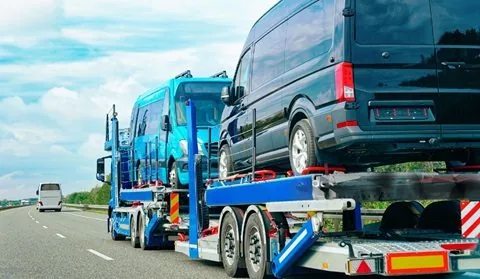
Open transport carries many standard cars on uncovered trailers. Enclosed service uses a covered trailer and may fit a classic, collector, luxury, or particularly sensitive vehicle. Availability depends on route, date, dimensions, and equipment. Disclose low clearance, body modifications, oversized tires, roof accessories, or mechanical problems. State whether the vehicle can start, roll, steer, and brake.
Request a quote with year, make, model, condition, complete addresses, date range, service preference, and parking or loading restrictions. Door-to-door service means the nearest safe, legal point the carrier can access; it does not guarantee a stop on every Center City curb or entry to every garage. Ask what the price covers, how pickup timing is estimated, payment terms, and cancellation conditions.
06Inspect before release and again at delivery
Take dated photographs of all sides, roof, wheels, glass, and existing damage. Remove personal belongings and have keys ready. Walk around the car with the driver and review the pickup report before signing. Retain your copy and contact information. At delivery, inspect before acknowledging receipt and write any concern on the paperwork.
If someone else attends, make sure they have the order details and written authority. The receiving person should meet the carrier at the agreed property or alternate lot and remain reachable if traffic changes the window. If a closure or access rule changes the handoff, update dispatch and send the same directions to both endpoints. A shared written plan is important when an urban pickup connects to a cross-river delivery.
For a move involving a sports, convention, or university event, check whether street closures or temporary parking controls are expected at the pickup and delivery blocks. Property permission does not override a posted closure, so choose a second legal site in advance. Tell the receiver where to meet if the main entrance becomes inaccessible. If either endpoint is in a residential permit area, make sure the carrier has a permitted stopping place rather than expecting it to occupy a reserved space.