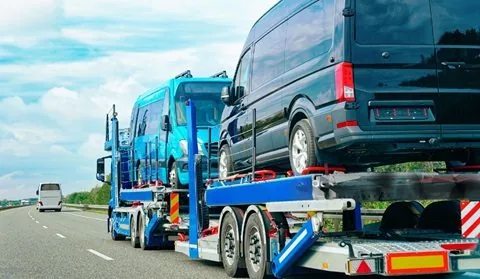
01Charlotte is a large region of separate loading locations
A Charlotte address can point to Uptown, a South End apartment, a university, an office park, a dealership, or a home in one of the surrounding towns. Put the exact municipality, ZIP code, street, building or neighborhood, and vehicle location on the order. If the route crosses into South Carolina, specify which state is at each end. “Charlotte metro” does not identify a curb, gate, or suburban driveway and may refer to places with different access conditions.
Describe where the carrier can stop and whether the property has rules for commercial vehicles. A downtown garage may not have trailer clearance; an office tower may require a service entrance and reservation; a neighborhood may have narrow streets or parked cars. Ask management to confirm the approved handoff point. If the address will not accommodate a long carrier, choose an authorized alternate with space to load and inspect. Give the person meeting the truck a direct phone number and make sure they know the exact entrance.
High-rise buildings, event venues, hospitals, and university campuses may have controlled access, loading docks, and scheduled delivery windows. Ask property staff where a vehicle transporter may enter and whether an escort or advance registration is needed. A campus address can send navigation to a pedestrian gate, while a high-rise may use a separate service drive. If a vehicle is in a garage, check height and turning limits; arrange an outdoor transfer if a trailer cannot enter.
Tell dispatch who can admit the carrier and provide that person’s direct number. Confirm that the loading space is available for the whole expected window. Event or construction controls can close a street even when the building remains open. If the planned location changes, have the coordinator approve a nearby legal alternative before the driver is rerouted. A clear appointment and entrance reduce the chance of a carrier circling Uptown while the vehicle sits behind a security gate.
02The I-77 and I-85 approaches do not define the delivery
Charlotte’s interstates connect regional and long-distance moves, but traffic and local streets govern the final approach. A vehicle may arrive from the north, south, or east and then continue to a destination well beyond the city. Provide both complete addresses, not only the metro names. Give dispatch the actual neighborhood or nearby town and ask for an arrival range that reflects the carrier’s scheduled stops. Passenger-car navigation may not account for the dimensions or restrictions of a loaded transport trailer.
Check NCDOT DriveNC or 511 information for closures, construction, incidents, and weather near the move. Share a major disruption with the coordinator. Do not select an interstate shoulder or ramp as a fallback handoff. If traffic blocks the agreed street, use a safe property where loading is permitted and space is sufficient. The receiver should be able to travel to the alternate and remain reachable. A home closing, lease start, or job relocation may have a deadline; disclose it early rather than assuming the driver can arrive at a precise hour.
03Airport and dealer pickups need a named release plan
An airport-area hotel, rental fleet, auction, dealer, or storage facility may have its own gate and vehicle-release process. Confirm the exact lot entrance, carrier registration, appointment, stock number, operating hours, and person authorized to hand over the keys. A corporate address may not be the yard where the vehicle is stored. Resolve any payment or paperwork hold before the carrier is assigned. Tell dispatch if security needs the driver’s details in advance.
For a private airport-area pickup, do not direct the carrier to a passenger curb or rental return lane unless the facility has approved it. Choose a designated loading area or nearby authorized lot that accommodates a large trailer. Confirm that the receiver can get there and inspect the vehicle. A facility contact should remain available through the pickup range. A precise release plan reduces waiting and avoids sending the truck through customer traffic that cannot accept commercial loading.
04Suburban addresses can be easier, if turning room is confirmed
Homes and businesses in the Charlotte suburbs may have more open space than Uptown, but cul-de-sacs, community gates, parked cars, and steep driveways can still limit access. Tell the provider if the street is narrow or has a central island that prevents a trailer from turning. Clear the driveway and identify overhead branches, gates, and low wires. Ask a neighborhood association whether a commercial hauler may enter and whether visitors must check in.
If the carrier cannot use the property, agree on a permitted nearby staging site with adequate pavement and room to maneuver. A shopping area or park-and-ride lot is not automatically available for commercial loading; ask the owner or operator. Share the exact entrance and make sure the vehicle owner can attend. A local contact can confirm that construction or temporary community rules have not changed the access. A little driveway planning is simpler than asking a large carrier to reverse through a crowded residential loop.
Open transport carries many standard cars on an uncovered trailer. Enclosed transport provides a covered space and may suit classic, collector, luxury, or specially protected vehicles. Availability depends on the route, vehicle size, and timing. Describe low ground clearance, wide tires, modifications, roof accessories, or mechanical concerns. State whether the vehicle starts, rolls, steers, and brakes; a non-running car may need additional equipment.
Give year, make, model, condition, full pickup and delivery addresses, service preference, and date range for an estimate. Include building rules and any alternate lot. Door-to-door means the nearest safe and legal access point available to the carrier, not automatic entry to an Uptown garage, gated community, airport curb, or private street. Ask how the quoted price is calculated, what it includes, how pickup timing works, when payment is due, and what cancellation terms apply.
05Make the condition report part of the pickup and delivery
Photograph the car before loading, capturing all sides, roof, windows, wheels, bumpers, and existing damage. Remove loose belongings and keep the keys ready. Review the pickup inspection with the driver and retain a copy. At delivery, inspect before signing and note any concern on the paperwork. A third-party representative should have the order number and authority to release or accept the vehicle.
Give the receiving contact the same location and access instructions sent to dispatch. Make sure the person can meet the driver throughout the arrival range and has a backup number if traffic changes the estimate. If an event, closure, or property rule forces a new site, confirm it with the carrier before moving the handoff. One current written plan avoids conflicting directions from a building, seller, and buyer.