01Clarify whether the car is in the city or the wider valley
A Salt Lake City shipping request needs the municipality, street address, ZIP code, and exact place where the vehicle is parked. The metro extends into neighboring communities, and an address in a suburb should not be entered as Salt Lake City by default. Tell the coordinator whether the car is at a residence, apartment, parking structure, dealership, office, or storage lot. Local mileage and access depend on the actual origin, not only the metro label.
Give a cross street or entrance note if the property is difficult to find. Mention gates, loading reservations, security check-in, garage clearance, and where a large transporter can stop. If direct access is unsuitable, identify an approved nearby staging location and confirm that you can bring the car there. A useful pickup address tells the driver where to meet, not just where the owner lives.
02Plan the handoff around the building and the carrier
Apartment communities, office towers, campus lots, and garages can each restrict how a vehicle is released. Ask the property manager which entrance to use, whether a reservation is required, and where a carrier may wait. Verify a garage’s clearance before sending a truck toward the entrance. A multi-car trailer needs more room than a passenger car and should not be expected to queue in a driveway or loading lane without permission.
If the property does not have a suitable loading area, arrange a legal meeting point on a wider street or in an open lot. Confirm the driver can access it and that the customer can meet there for the inspection. Give dispatch the final location before a pickup window is set. This avoids confusion when building staff, a vehicle owner, and the driver are coordinating the same stop.
03I-15 and I-80 connect a route but do not define it
Salt Lake City’s position near I-15 and I-80 makes several directions possible, but the destination determines mileage and scheduling. A move to Ogden or Provo differs from delivery to St. George, Moab, Denver, or an out-of-state address. Provide the complete destination town, state, and ZIP. If a vehicle will continue to a remote property, describe the final road, grade, surface, gate, and turning area. The closest interstate exit is not an adequate delivery address.
For a vehicle purchase, confirm the seller’s exact location and release hours. For a relocation, name a receiving contact who can meet the carrier. Share whether your dates are flexible or tied to a closing, lease, or job start. Accurate endpoints help dispatch assess the actual route instead of pricing from a generic Salt Lake City radius.
04Mountain and canyon destinations are a separate access question
A delivery described as “near Salt Lake City” may involve a steep canyon road, a mountain community, or a seasonal route. Give the actual destination and ask the recipient to describe the last approach. Note any gate, road closure, steep grade, narrow lane, or limited turning space. If a long carrier cannot safely reach the property, agree on a lower or more accessible handoff point before dispatch.
UDOT’s seasonal road listings and current traffic tools can help identify closures and conditions, but the driver still determines whether the equipment can use the approach. Keep a local contact available and offer a date range where possible. A clear alternate location can prevent a carrier from reaching a road that is closed or unsuitable for a trailer.
05Construction and winter reports inform the timing
Local roadwork, incidents, snow, and changing weather can shift the carrier’s arrival around the Salt Lake valley or on a route beyond it. A pickup date should be treated as a window unless an exact appointment is confirmed. Keep your phone available and ensure the vehicle remains accessible. If the planned curb is closed or a private drive is hazardous, coordinate a new place or time through dispatch rather than asking the driver to stop in an unsafe area.
UDOT Traffic offers current road conditions, restrictions, cameras, and weather information. Check it near the move, understanding that reports change. If your schedule has a hard deadline, tell the coordinator early and ask what can be arranged. A backup contact is helpful if you will be traveling while the car is picked up or delivered.
06Vehicle release and transport condition
If the vehicle is at a dealer, auction, repair shop, or storage facility, confirm it is released and learn the site’s appointment rules. Give the exact entrance, hours, lot number, and release contact. Disclose whether the car starts, rolls, steers, and brakes. Lowered suspension, oversized tires, roof attachments, or other modifications can change loading requirements, so provide those details before the carrier is assigned.
Remove personal property and loose items, have the keys ready, and photograph the car. Review the pickup inspection record with the driver and keep a copy. Repeat the walkaround at delivery. If someone else represents you, give them the order number, inspection instructions, and authority to receive or release the vehicle.
07Select open or enclosed service with access in mind
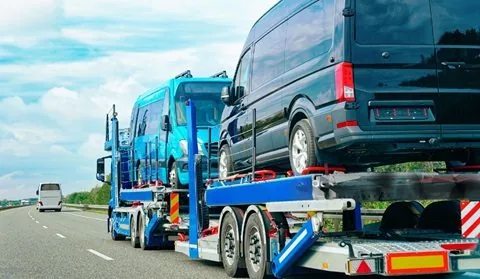
Open carriers move everyday vehicles on an uncovered trailer and are common for many Salt Lake City routes. Enclosed transport places a vehicle in a covered trailer and may suit a classic, collector, luxury, or sensitive car. Ask about equipment availability for your date and full route. A covered trailer may need more room to stage than a standard car, so confirm the building or alternate lot can accommodate it.
Door-to-door shipping is limited by safe and legal truck access. It does not promise entry into an underground garage, gated canyon road, or tight residential lane. If the direct address is not workable, choose an approved nearby handoff point. Include the vehicle details, addresses, access notes, and requested window when seeking a quote. Review the service, payment, cancellation, and update terms before booking.
08Make the delivery contact part of the plan
The person receiving the car should know the expected window, exact location, and inspection process. Confirm property access at the destination and provide a working phone number. If the recipient is not the owner, make sure that person is authorized to accept the vehicle. Address changes should go through dispatch so the carrier has accurate instructions.
Photograph the vehicle at pickup and delivery, compare its condition with the inspection form, and keep a copy. If you are away from Salt Lake City, appoint someone local who can meet the driver and contact you. A ready recipient helps complete the transfer without leaving the vehicle at an unattended curb or behind a locked gate.