01Use the Billings address where the car will actually be staged
A Billings pickup needs a street address, ZIP code, and exact vehicle location, not only a city name. Tell us whether the car is in the central grid, an apartment community, a dealership, an industrial yard, or a property on the edge of the metro. The Heights, West End, Lockwood, and nearby communities can involve different local distances and approaches. If the vehicle is outside Billings proper, use the correct municipality and include the state.
Describe the loading point: driveway, lot, garage, gate, or curb. A carrier needs legal stopping space and room to inspect the vehicle. If the address has a narrow street, steep approach, low garage, or limited turnaround, identify a nearby accessible handoff area and confirm it is allowed. A precise location makes the local pickup plan more realistic.
02Downtown and business pickups should be arranged with the property
A central Billings address may have curb limits, building loading rules, or a private parking arrangement. Ask property management where a long transporter can stop and whether the vehicle can be brought to that location. Office, hotel, and commercial sites may require security check-in or an appointment. Give dispatch the correct entrance and a direct contact who will be there during the pickup window.
Avoid making the carrier improvise a stop in a travel lane or a restricted loading space. If the block cannot fit the truck, choose a permitted lot or wider street nearby. Confirm you can meet the driver there and that the space has room for inspection. Send the final location to dispatch so the driver and customer share one plan.
03Billings connects several directions, but the destination sets the trip
I-90 gives Billings an east-west connection, while routes such as I-94 continue beyond the city in the region. A shipment north, west, or across a state line still depends on its exact destination. Provide full city, state, ZIP, and street information at both ends. A move to Bozeman or Missoula differs from delivery to eastern Montana, Wyoming, or a distant out-of-state address. If the far endpoint is a ranch, worksite, or small community, explain the final road and turning area.
For a purchase, verify where the seller is releasing the car and what hours are available. For a relocation, identify the person receiving it and confirm they can meet the carrier. A regional label cannot replace exact endpoints; it may hide a long approach from the interstate or a different service area.
04Rimrock, river, and outer-area addresses need a final-mile check
The Billings area includes varied terrain and roads near the Yellowstone River and the Rimrocks. Give the street or road address and tell the coordinator if steep grades, a narrow approach, or limited turning space are near the vehicle. A passenger vehicle may fit where a multi-car carrier cannot safely maneuver. If access is uncertain, arrange a nearby open meeting point before dispatch instead of waiting until the driver arrives.
For a property outside the built-up area, state whether the road is paved and maintained and whether a gate or private access rule applies. Name the person who can guide the driver. If the car is being delivered to a rural property, confirm someone will be there to receive it and inspect it. Those local notes help separate the interstate leg from the last few miles.
05Give the schedule room for Montana travel conditions
Weather, road work, wind, and traffic can shift a carrier’s arrival in or around Billings. A pickup range is an estimate unless an exact appointment is confirmed. Keep your phone available and make sure the vehicle remains ready during that range. If a closure or local restriction changes the route, coordinate a new time or accessible handoff location through dispatch. Do not assume a driver can safely reach a remote address simply because it is near the city.
Montana MDT’s 511 traveler information includes road conditions, cameras, weather, construction, and restrictions. Check current reports close to the move, then stay in contact with the carrier. If a closing, move-out, or facility release deadline is fixed, tell the coordinator early. A flexible window can help when the shipment continues across a long route.
06Make a dealership, auction, or worksite release straightforward
Billings vehicle pickups from a dealer, auction, repair shop, or storage facility may require a release number, appointment, or specific entrance. Confirm the vehicle is cleared and available before dispatch. Provide the facility hours, contact name, lot number, and any check-in procedure. If the car is part of a work fleet, confirm the person meeting the carrier can authorize its release.
Disclose whether the vehicle runs, steers, rolls, and brakes. Mention low ground clearance, oversized tires, or modifications. Remove loose belongings and photograph the vehicle. At pickup, review the inspection form with the driver and keep a copy. At delivery, repeat the walkaround before signing. A proper release and condition record help both sides handle the transaction clearly.
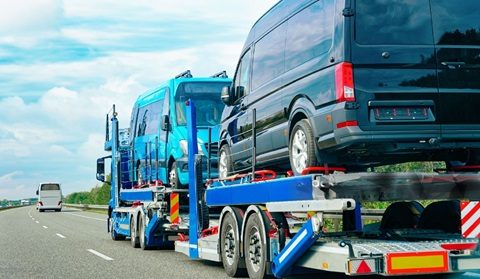
07Select a trailer that fits the car and meeting point
Open transport is commonly used for everyday cars and carries them on an uncovered trailer. Enclosed service offers a covered trailer and may be a better fit for a collector, classic, luxury, or sensitive vehicle. Ask what is available for the exact route. Consider both staging locations: a covered trailer can need more maneuvering room than a passenger car. Door-to-door service refers to a safe, legal place the transporter can reach, not a promise to enter a private drive or narrow street.
A useful quote includes the year, make, model, condition, full addresses, requested service, and date range. Mention gates, facility rules, and road access. Review the pickup estimate, payment, service description, cancellation terms, and update process before booking. If timing is urgent, explain the deadline and ask what can be confirmed.
08Confirm who will receive the car
The Billings recipient should know the expected delivery range, location, and inspection process. Confirm the site is open and that a person has authority to accept the vehicle. If the customer is traveling separately, appoint a local representative and share the order number and contact details. The carrier should receive any address change through dispatch so the current instructions are clear.
Photograph the car before loading and after delivery, compare its condition with the report, and retain a copy. A prepared receiver prevents the vehicle from being left at a locked facility or unattended property. Keep the transport coordinator reachable if the route or arrival time changes.