01Pin down the Birmingham neighborhood and entrance
Birmingham-area car moves can begin downtown, in a hillside neighborhood, at a suburban home, or inside a commercial or medical campus. Provide the actual street address, ZIP, neighborhood or suburb, and exact entrance. Mention one-way streets, steep drives, gates, parking decks, loading docks, security procedures, and any space constraint. A long transport trailer needs a legal place to stop and enough room to maneuver; it may not fit where the car normally parks.
Ask property management where a carrier may stage and whether an appointment is required. If the pickup point is too tight, arrange an approved alternate nearby and make sure the owner permits loading. Give the receiver the precise address and a direct phone contact. “Birmingham metro” is not a sufficient dispatch instruction.
02The surrounding towns are distinct shipment endpoints
A request may say Birmingham but actually start or end in Hoover, Vestavia Hills, Homewood, Bessemer, Trussville, or a rural county. Use the exact municipality shown in the address. A subdivision gate, private street, or hillside driveway can change where the carrier meets you. Describe road width, grade, surface, turning space, and whether the property allows commercial equipment.
For an out-of-town destination, name the town, state, street address, and ZIP. If a farm or cabin is beyond a main road, provide written final directions and a local contact. Arrange a safe alternate if the trailer cannot reach the private drive. Confirm the recipient can get to the meeting location and is available during the estimated window.
03Medical, university, and industrial sites have controlled access
Birmingham has campuses, hospitals, factories, and business yards where a carrier may need to use a specific entrance or follow a check-in process. Ask the site contact whether transport vehicles are allowed, where loading can occur, and whether a reservation or escort is needed. Share hours, lot or unit number, release contact, and direct phone number. A vehicle at a secured campus should not be booked until entry and release are approved.
Tell dispatch if the car is in a parking deck or behind a height barrier. A passenger vehicle can exit to meet the truck outside. At an industrial site, confirm safety gear and check-in steps. A timely release matters when the carrier is coordinating several shipments across Alabama.
04Use a date range that accounts for changing conditions
Traffic, construction, thunderstorms, heavy rain, and incidents can affect the Birmingham approach and the carrier’s route through the state. Check current road information close to the move, but remember that an update cannot guarantee conditions at a private drive or facility gate. Keep your phone available and the car ready during the agreed window. A precise hour should not be relied on unless it has been specifically confirmed.
If a closure or weather issue blocks the planned handoff, coordinate a safe alternate through dispatch. Share a firm deadline before booking and ask whether the schedule can accommodate it. A flexible window gives the carrier room to reach a residential or commercial site without asking it to take an unsafe street.
05Vehicles from dealers and auctions need a release plan
Confirm a dealer, auction, repair shop, storage facility, or fleet yard has cleared the car for collection. Provide appointment requirements, authorization details, lot or stock number, correct gate, hours, and the name of the employee who can release it. If payment, a title, or a repair is pending, resolve that before dispatch. The driver may not be able to wait for a facility to finish paperwork.
Report whether the car starts, rolls, steers, and brakes. Disclose low clearance, oversized wheels, modifications, or mechanical issues. Gather keys, remove personal belongings, and take condition photos. Walk around the vehicle with the driver and save the inspection form. If someone else attends, confirm they are authorized to sign and receive the car.
06Decide between open and enclosed transport
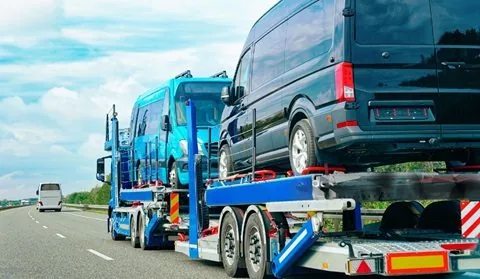
Open transport carries the car on an uncovered trailer and is commonly used for everyday vehicles. Enclosed service offers a covered trailer that may suit a classic, collectible, luxury, or sensitive model. Ask about route availability and dates. Equipment size can affect access to a downtown curb or steep residential entrance. Door-to-door means the nearest safe and legal point a carrier can reach; it does not promise access to every garage, gated property, or narrow drive.
Share the car details, condition, origin and destination, service preference, and date range for a quote. Add site rules and any alternate loading point. Ask what the rate includes, how pickup timing is estimated, payment terms, and cancellation conditions before you book.
07Prepare the delivery contact and inspection
Give the person receiving the vehicle the exact address, entrance, estimated window, and dispatch contact process. Confirm the property permits the carrier and that someone can meet the driver. If you will be unavailable, appoint a local representative who can inspect the vehicle, accept keys, and sign the report. Keep a backup phone number ready.
Compare the vehicle at delivery with the pickup report, note any concern, and retain the paperwork. If traffic or access causes a change, contact dispatch so the driver receives one clear update. These steps help the handoff finish without leaving a car at an unattended gate or unsuitable curb.
At a hillside home, a narrow street can be the limiting factor even when the driveway is large. Describe the approach and arrange a public-facing meeting area if the truck cannot turn around at the house. For office parks, ask which gate handles commercial traffic and whether the person meeting the driver must check in at a security desk. If a vehicle is being collected from a seller, confirm the seller can remove it from a locked garage and have the keys ready. Do not schedule the carrier before a repair shop or insurer releases the car. Share any alternate handoff details with both contacts, and ensure the location remains open for the full date range rather than only a short appointment.
If the handoff will take place at a business, confirm whether the property uses a separate freight or visitor entrance and which one the driver should approach. Some sites require the vehicle owner to be present before releasing a car; settle that arrangement ahead of time. At a residence, keep pets and other vehicles away from the loading area so the inspection and loading can proceed safely. Give the recipient the dispatch contact and ensure the phone is answered during the delivery window. Written access details help avoid confusion when a facility has multiple buildings or a home is set back from the main road.