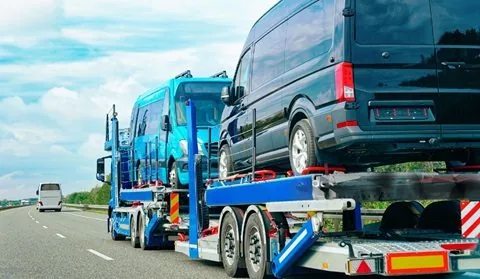
01Boise pickup plans depend on where the truck can stage
Boise is a common connection point for vehicle moves across the Treasure Valley, but a city name alone does not tell a carrier where to load. Provide the street address, ZIP code, neighborhood or facility name, and a direct contact number. A home with an open driveway, a downtown apartment, a dealership, and a parking garage need different arrangements. Tell us if a gate, security desk, loading reservation, height limit, or time restriction applies. A transporter needs a place to stop safely, inspect the car, and load without blocking an entrance.
If the address is too tight for a large trailer, choose a nearby meeting place that permits commercial loading and has room to maneuver. Get permission first and send the exact location to both customer and carrier. “Near downtown” or an intersection is not enough for a dependable dispatch plan.
02Build the route around the destination beyond Boise
A Boise shipment may head west to Nampa or Caldwell, east toward Mountain Home and Twin Falls, north toward McCall, or out of state. Share the exact destination rather than describing the trip as simply “to Idaho.” The I-84 corridor is an important connection through the valley, yet the last miles can involve local streets, a private lane, or a rural road that a long carrier cannot enter. Give the complete delivery address, ZIP code, and instructions for the final approach.
For a remote destination, name the nearest community and explain whether the road is paved, graded, steep, or seasonal. If access is uncertain, arrange a safe public or commercial meeting point with the recipient before the truck is assigned. Confirm that the recipient can reach it and has permission to use the space. This avoids a last-minute search for a handoff location after the driver arrives.
03Neighborhood, campus, and building access
Boise has residential blocks, commercial districts, and managed properties where curb or lot rules can affect loading. Check with a landlord, homeowners association, campus office, or property manager before booking if a carrier needs to enter or wait. Ask whether the vehicle should be brought to a wider street or designated loading area. Share gate codes and entry instructions privately with dispatch, and make sure the person meeting the truck can be reached during the pickup window.
A passenger vehicle may fit a lane or parking structure that cannot accommodate a car-hauling trailer. Check garage height and turning restrictions instead of assuming a carrier can enter. A wide, legal staging point near the property can make a smoother handoff, but get authorization before using a business or public lot. Send any approved alternate address before dispatch so the route and quote reflect it.
04When the car is being collected from a business
A vehicle at a Boise dealership, auction, repair shop, storage facility, or fleet yard may require an appointment and release authorization. Verify business hours, entrance, lot or stock number, release paperwork, and the name of the person who can hand over the keys. If a purchase is pending, confirm that payment and title procedures will not hold up release. Tell the coordinator if the car is not yet ready; booking a carrier before the facility clears it can create avoidable delay.
Describe whether it starts, rolls, steers, and brakes. Report modifications, very low clearance, oversized wheels, or other loading concerns. Remove loose items, take condition photos, and review the inspection record with the driver. If you cannot attend, appoint someone who has the keys, authorization, and enough time to complete the walk-around.
05Pick a date range that can absorb Treasure Valley traffic
Traffic, road work, weather, and a carrier’s multi-stop route can change the estimated arrival time around Boise. Keep the pickup area available for the full agreed window and answer calls or messages promptly. A fixed move-in date or work start should be shared at quote time, along with any flexibility. Ask which timing can be estimated and which appointment, if any, is actually confirmed. Avoid relying on an exact-hour promise unless it is specifically documented.
For travel beyond the valley, check Idaho 511 for current road conditions, cameras, construction, weather, and restrictions. Updates help with planning but can change quickly; the carrier makes the final operating decision if conditions are unsafe. If a route closure or access problem arises, coordinate a new safe time or handoff point through dispatch.
06Choose the shipping option for your vehicle
Open transport is an uncovered trailer option commonly used for everyday cars. Enclosed transport places the vehicle in a covered trailer and may be appropriate for a collector, luxury, classic, or sensitive model. Route availability, dates, and vehicle dimensions influence the quote. Tell the coordinator about the car’s condition and any special handling need, then compare the services actually available for your trip. A larger enclosed rig may need more staging room at both Boise and destination addresses.
Door-to-door describes delivery as close as a carrier can safely and legally reach. It does not guarantee access to a gated drive, narrow residential street, or parking structure. If the site cannot accommodate the equipment, use an approved nearby handoff point. Provide both complete addresses, preferred dates, service type, and access details before evaluating a rate.
07A smooth Boise delivery starts before the truck arrives
Give the recipient the expected delivery window, the carrier contact process, and the exact handoff location. Confirm a gate code, loading permission, and a person who can meet the driver. If you will be away, name an authorized local representative and ensure they can inspect the vehicle and accept the keys. Keep a backup contact available if the first person may be at work or traveling.
Compare the car’s condition with the pickup report and document any concern before signing the delivery record. Keep copies of the paperwork and photos. If an address or schedule changes, notify dispatch so the driver receives the updated plan. These steps are especially useful when a move connects Boise with a smaller town where alternate staging choices are limited.
08What to include in a Boise quote request
Have the year, make, model, running condition, complete origin and destination addresses, service preference, and date range ready. Add building access details, facility hours, and the names and numbers of people who will release and receive the vehicle. If you need transport by a deadline, explain what creates it and ask what the carrier can confirm.
Review what the quoted amount includes, when payment is due, how pickup timing is set, and which cancellation terms apply. Keep the car ready and the contact reachable after booking. A complete request helps the coordinator price the actual trip and identify access questions before a driver is assigned.