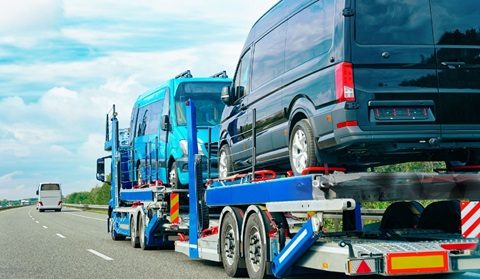
Fast and secure vehicle transport nationwide for fleet and rental cars.
We provide car shipping for car rental companies that need to move vehicles between cities and states. Our service covers transferring cars between rental locations, relocating fleets after busy seasons, and delivering vehicles directly to customers. We handle shipments with care and offer reliable door to door transport for small and large fleets. Our team works to meet your schedule and keep your vehicles moving safely and on time.
Below are answers to common questions about car shipping for car rental companies. If you have other questions, feel free to contact us anytime.
Rental fleets move between branches as seasonal demand, vehicle availability, and local needs change. A transport request can include a single car or a group of units, but each vehicle still needs an accurate condition and location record. Identify the branch contact who can release the cars and the person who will accept them. If a unit is due for cleaning, maintenance, or inspection, account for that before setting a pickup date. Good coordination limits disruption to daily rental operations.
When multiple vehicles travel together, a consolidated list helps everyone follow the shipment. Include each vehicle identification number, year, make, model, running status, and any special loading note. Confirm that all units are available at the same pickup location and that the receiving branch has room to accept them. If the vehicles are spread across locations, list each stop clearly. These details help the transport team understand how many carrier spaces are needed and whether the route can be organized as one movement.
A branch should know the expected pickup window and have a backup contact in case the manager is busy. Prepare keys and parking positions before the driver arrives. For delivery, reserve enough space to unload and inspect each unit. Do not schedule every vehicle to arrive at a location that lacks staff to receive them. If an operating branch cannot close its lot or block customer parking, tell the team about those limits. Small operational details can shape the best delivery time.
Rental vehicles may have existing cosmetic marks or maintenance needs. Record their condition before shipment and share any issue that could affect loading, steering, braking, or starting. Have a staff member complete the carrier inspection at pickup and delivery. Keep those records with the fleet maintenance history. If a vehicle is involved in a claim or customer dispute, clear transport records can help establish when a condition was observed. Accurate documentation benefits both the business and the carrier.
For regular transfers, establish a standard intake form and a short checklist for branch staff. Include contacts, hours, access instructions, keys, vehicle condition, and delivery space. Review the process after each move and update it when branch locations or operating hours change. Tell the transport team whether dates are fixed or flexible. A repeatable process lets rental managers plan fleet availability while giving carriers the information needed to schedule safe pickups.
Rental fleets work best when every branch knows which vehicles are in transit and when to expect them. Share the order number, vehicle list, planned pickup range, and delivery contact with the affected locations. If a car is not ready, report that before dispatch. If a branch cannot accept a vehicle, arrange another location in advance. Keep transport records with fleet operations so customer service staff can answer questions without searching across multiple systems. A consistent communication routine helps the company plan availability and respond when schedules change.
A branch should know when the vehicle is expected, who is meeting the driver, and what to do if the schedule changes. Share the order information with the relevant staff and keep a backup contact available. If a branch has no safe place to unload or cannot accept a vehicle outside business hours, arrange an alternative before dispatch. Clear instructions reduce waiting and help the rental team return vehicles to service promptly.
After arrival, compare the vehicle identification and condition report with the fleet record. Photograph any concern and contact the transport team promptly. Update the branch system with the receiving date and the staff member who completed the inspection. A consistent closeout process makes it easier to track vehicle availability, answer internal questions, and retain useful documentation for future fleet moves.
Before a fleet transfer, confirm that the destination branch has staff, keys, parking, and room to inspect every arriving vehicle. If the branch uses a service entrance or has customer parking restrictions, share those instructions with the transport contact. Tell employees which units are expected and when they should be ready for rental. If a vehicle arrives outside the normal operating window, identify who can accept it. A receiving plan helps the company return cars to service with less confusion.
The cost of car shipping varies depending on factors such as the distance between locations, the number of vehicles being shipped, and any special requirements you may have. Contact us for a personalized quote based on your specific needs.
Yes, we can accommodate shipments of multiple vehicles. Whether you need to ship two vehicles or a whole fleet, we have the capacity to handle your needs.
The shipping time depends on the distance between the pick-up and drop-off locations. We'll provide you with an estimated delivery time when you schedule your transport.
We recommend scheduling your car shipping as far in advance as possible to ensure availability. This is especially important during peak seasons or when transporting a large number of vehicles.
Get an instant, no-obligation quote in minutes — licensed, bonded & insured nationwide.