01Start with the right side of the street
A Providence car shipment benefits from an address that tells the driver more than the city and ZIP code. Include the neighborhood, cross street, building name, and entrance where the car will be waiting. A one-way block, a no-stopping curb, a construction barrier, or a resident-only garage can turn a simple pin into a poor loading location. Explain whether the vehicle is outside, in a ramp, at a dealership, or behind a controlled gate. If the street cannot accommodate a long trailer, choose a legal nearby staging site and confirm that it allows commercial loading.
For apartment or office buildings, ask management whether a transporter needs a service entrance, loading reservation, visitor credential, or escort. Confirm that a garage has enough clearance and room to maneuver before sending a carrier inside; in many cases, bring the vehicle to street level. Identify the person who will meet the driver and give a direct phone number. Avoid leaving instructions that assume the driver can stop in a travel lane or wait in a loading zone meant for another property. A short walk to an authorized lot may save considerable confusion on a tight block.
02Coordinate campus, medical, and downtown handoffs
Brown University, hospital campuses, government offices, and downtown employers can have layered security or separate visitor and service access. Ask the property which entrance accepts a vehicle transporter and whether a staff member must escort it. A general campus address may direct navigation to a pedestrian entrance that cannot admit a trailer. Give dispatch the approved gate and the name of the contact who will be on site. If the car is in a campus garage, check the height clearance and loading procedure well before the pickup window.
Business districts may also have loading hours that differ from normal public parking times. Confirm any reservation and ask what to do if a prior stop delays the carrier. If the first option closes, identify an alternate lot that is authorized, open, and wide enough for inspection. Send the vehicle owner, carrier coordinator, and receiver the same written directions. Event days, construction, and street closures can alter access on short notice, so keep a phone available and route changes through the person managing the shipment. A specific meeting point and a responsive contact matter more than an optimistic estimate based only on distance.
Providence can be an origin, destination, or interchange point for a longer New England move. State whether the car is continuing toward Warwick and the airport, Newport and the islands, the South County shore, or communities north and west. These directions do not share identical traffic or handoff conditions. If another town is the true endpoint, list its address rather than treating Providence as the whole route. Accurate endpoints help the provider consider the full distance, schedule, and equipment plan.
I-95, I-195, and US 6 orient many trips, but neither an interstate exit nor a familiar neighborhood guarantees a workable truck stop. Rhode Island 511 offers travel advisories and camera information that can help identify changing road conditions. Review it close to the scheduled move and share relevant disruptions with dispatch. Do not treat a live traffic map as permission to stage on a ramp or restricted curb. If road work or an event affects the planned street, ask for a safe diversion to an approved lot. Provide the receiver with the new entrance and enough notice to meet the truck there.
03Prepare a specific appointment for release or collection
If the car is leaving a Providence dealership, repair shop, auction, or storage facility, verify that it is ready and that the facility will release it to the assigned carrier. Provide the stock number or lot reference, business hours, check-in instructions, and the name of the release contact. Ask whether a reservation or written carrier authorization is required. Settle outstanding charges or paperwork before the transport date; a driver may not be able to resolve an account hold at the gate.
For a private sale, arrange for the seller to have keys and any agreed documents ready. Make sure the person on site understands the carrier will need access to inspect the vehicle and record its condition. If a pickup window extends beyond closing time, secure an alternate date rather than expecting a facility to leave the car outside. At delivery, the buyer or an authorized representative should be available at the confirmed address. A facility can be only minutes from a main route and still cause a missed stop if nobody can open the correct gate.
04Plan a city alternative before traffic makes it urgent
A suitable handoff point is one where the carrier can safely reach, park, inspect, and leave. It may be a property loading apron, a dealership lot, or another site whose owner has explicitly agreed. It should not be a bus stop, fire lane, highway shoulder, ferry queue, or a retail lot assumed to be public. Consider turning room, hours, surface, and whether the receiver can reach the site with their own transportation. Share the full address and exact entrance, not just a business name.
If the original curb becomes blocked by construction or an event, contact dispatch before sending the driver to an improvised location. The carrier can assess whether a new site works for the equipment and route. A neighborhood contact can confirm temporary signs and access limits that a map might not show. Keep both endpoints in the plan: the alternate must work for pickup or delivery, and the person receiving the car must know which one applies. One current instruction prevents the driver from receiving conflicting directions from a seller, buyer, and building attendant.
05Select transport and quote terms with the constraints disclosed
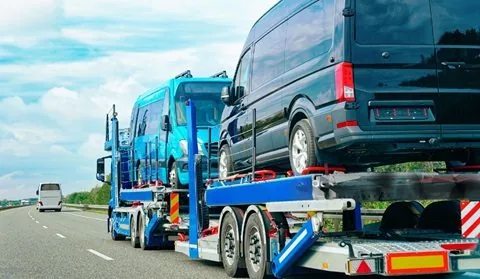
Open transport carries many standard cars on an uncovered trailer. Enclosed transport uses a covered trailer and can be requested for classic, collector, high-value, or particularly sensitive vehicles. The route, vehicle dimensions, dates, and availability influence the choice. Disclose low ground clearance, a modified body, a vehicle that does not run, or any condition that changes loading. A quote based on an operable standard sedan may not apply to a project car with a locked wheel or unavailable keys.
Share the year, make, model, full addresses, preferred service, and date window. Explain garage, gate, building, and curb restrictions at the outset. Door-to-door service reaches the closest safe and legal point available; it does not promise entry to every downtown property. Ask about included services, pickup estimate, payment timing, and cancellation terms before accepting. If the move has a firm deadline, make that clear and ask what flexibility is needed. Clear information helps the provider price and coordinate the job that actually exists.
06Inspect twice and close out the handoff in writing
Photograph the car in good light before the driver arrives, capturing each side, the roof, glass, wheels, and any existing damage. Remove personal items and leave keys ready. Walk around the vehicle with the driver and review the inspection record rather than rushing through a signature. Keep a copy and the carrier’s contact details. If a friend or family member handles the exchange, send the order details and confirm that the person can sign the paperwork.
At delivery, repeat the inspection before signing receipt. Add any observed concern to the delivery record and keep the photographs. The receiver should meet the carrier at the approved lot or property entrance, not assume an unattended curb drop. A building or dealer contact should know the arrival range and how to reach the person who can release the car. When the address, contact, or meeting site changes, notify dispatch and all parties. A written update prevents confusion and leaves a clear record of the vehicle’s condition at both ends.