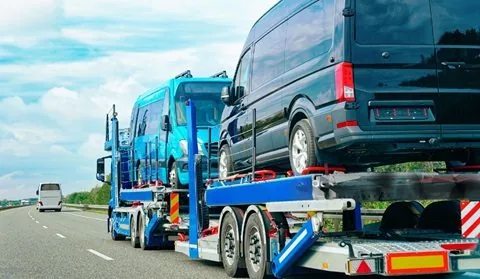
01Identify the Columbia street and the place a carrier can load
Columbia pickups may be downtown, near the University of South Carolina, in a government or medical complex, at a dealership, or in a surrounding suburb. Provide the exact address, ZIP code, building name, and vehicle entrance. Mention campus access, event schedules, garage clearance, gate procedures, dock reservations, and parking restrictions. A car-hauling trailer needs a legal stopping place and room to maneuver; a parking space used by the car may not work for the truck.
Ask the property contact where commercial vehicles may stage and whether an appointment is needed. If the street is tight, agree on a permitted alternate location and send the exact address to dispatch and the receiver. “Near the State House” or “by campus” is not sufficient for a handoff. Give a direct phone number for whoever can meet the driver.
02Campus, hospital, and government properties
Large Columbia institutions may have separate visitor, service, and freight entrances. Confirm which one permits a carrier, whether a credential or security check-in is needed, and how long loading can take place. A campus map may route a vehicle to a pedestrian-only section or a garage with insufficient clearance. Ask the office responsible for deliveries to identify a legal staging area that accommodates a long trailer.
If the move coincides with a game, graduation, public event, or government schedule, confirm that gates and parking controls will not change. Provide the updated instructions before the carrier is assigned. Make sure the person receiving the vehicle can meet the driver outside a restricted perimeter if needed. Permission from the vehicle owner does not automatically grant access to an institution’s private road.
03Columbia’s suburbs and county addresses need the right city
A request described as Columbia may actually be in Cayce, West Columbia, Irmo, Lexington, Blythewood, or a rural part of the Midlands. Use the municipality and ZIP shown in the full address. A subdivision, warehouse, farm, and office park have different entry details. For an outlying property, add the county road, surface, gate, and turn-around space. If a full-size transporter cannot reach the driveway safely, arrange a meeting location in town and verify permission.
For a move beyond the region, name the destination city and state rather than only a highway or metro. Tell the recipient where the carrier will arrive and keep them available during the estimated window. A precise endpoint helps the coordinator calculate the actual distance and plan a practical approach instead of treating the entire Midlands as one pickup zone.
04Plan timing with current road and weather information
SCDOT 511 and its roadway condition application provide traffic, construction, maintenance, and emergency information. Check routes close to pickup or delivery, especially where interstate work, storms, or event traffic could affect arrival. A state report cannot show every private gate or neighborhood road, and conditions may change before a carrier reaches the address. Keep the vehicle ready during a date range and answer dispatch calls.
If a closure or restriction blocks the planned point, coordinate an alternate place or time rather than meeting the carrier in an unsafe shoulder area. Share any deadline before booking and ask what can be confirmed. A requested day does not guarantee an exact hour when the truck is serving multiple stops.
05Prepare the vehicle and release contact
For a dealership, auction, repair shop, or storage facility, confirm the vehicle is released and identify the employee who can complete the handoff. Provide business hours, lot or stock number, correct entrance, carrier authorization requirements, and a direct phone number. If the vehicle is not ready or still subject to a payment hold, tell the coordinator before choosing a pickup window.
Describe whether the car starts, rolls, steers, and brakes. Mention modifications, low clearance, or mechanical issues. Remove personal belongings, prepare the keys, take condition photos, and review the inspection report with the driver. If a family member attends, provide order details and authority in advance. Repeat the inspection at delivery and retain the paperwork.
06Make the service fit the handoff location
Open transport is an uncovered trailer option commonly used for standard vehicles. Enclosed transport places the car in a covered trailer and can suit a classic, collectible, luxury, or sensitive model. Ask about availability for the route and dates. A covered carrier may require more staging room than a narrow downtown curb. Door-to-door refers to the nearest safe and legal location a carrier can reach, not guaranteed entry to every garage, campus road, or private driveway.
Provide the vehicle, condition, exact origin and destination, service preference, and date range for a route-specific quote. Include campus access rules or an alternate location. Review what the price includes, payment timing, pickup estimates, and cancellation conditions before booking.
07Set the delivery contact up for success
Give the recipient the precise address, entrance, estimated window, and dispatch contact process. Confirm they can access the location and meet the driver with enough time to inspect the vehicle. If you will be away, appoint an authorized local person and share the order details. A backup number helps if the primary contact is in a meeting or on campus.
At delivery, compare the car with its pickup report and document concerns before signing. Keep photos and paperwork. If the meeting location changes, update dispatch so the driver has one clear plan. A well-prepared recipient prevents the car from being left at a closed building entrance or a curb where loading is not permitted.
If the move is arranged during a semester change or government event, ask the property contact whether normal loading instructions still apply. A campus service road may be temporarily closed or reserved for buses, and a public garage may not allow a transporter to wait. Identify an outdoor area with an open approach and enough distance to inspect the vehicle. For a private sale, make sure both parties know who has the keys and who will sign the carrier report. Give dispatch the name of the person who can answer the gate phone. A contact who knows the property can resolve a wrong entrance more quickly than a customer who is already across town.
For a move involving a home closing or new job, have the receiving person confirm their availability after the carrier is dispatched. If the time shifts, they should be able to meet at the alternate place without needing access to the original property. Keep the keys and vehicle documents with the person who will complete the inspection.