01Give the carrier a Columbus address, not a metro shorthand
Columbus includes a broad mix of downtown blocks, campus areas, office parks, suburban developments, dealerships, and industrial properties. Supply the street address, ZIP code, neighborhood or facility name, and the entrance where the vehicle will be waiting. Mention a gate, parking deck, dock reservation, security desk, or restrictions on truck size. A car carrier may not be able to use the same driveway or garage as the passenger car.
Ask the property contact where a large trailer can stage and whether loading requires prior approval. If the address is tight, choose an accessible alternate location only after confirming permission. Give the receiver the exact handoff point and a direct number for the person meeting the driver. Directions such as “near OSU” or “by the Short North” need a full street address to be useful.
02Campus and event traffic changes the handoff plan
A pickup near The Ohio State University, a medical campus, or an event venue may face restricted entrances and busy loading areas. Ask the facility about carrier access, event schedules, loading docks, and required visitor credentials. For a residence near campus, identify whether the street has posted parking limits or a narrow turn. If the driver cannot stop at the building, agree on a legal meeting point that is open at the planned time.
Share those instructions before dispatch; last-minute changes can disrupt the carrier’s other stops. Give the person receiving the vehicle the same location details and confirm they can be present. A route map may show a campus road that is closed to commercial access, so direct confirmation with property management can save a failed visit.
03The Columbus area includes separate delivery communities
A shipment described as “Columbus” could actually go to Dublin, Westerville, Grove City, Hilliard, Reynoldsburg, or a rural address beyond the metro. Use the exact municipality and ZIP code at both ends. A home in a subdivision has different access from a distribution center or a farm. Describe the final approach, road surface, gate, overhead clearance, and turning area. If a full-size transporter cannot reach a private property, choose an approved meeting location nearby.
For an interstate move, provide the destination state and street address. Tell the coordinator if the recipient is not the vehicle owner or if a dealer controls the release. A precise endpoint allows the quote to reflect actual mileage rather than an assumed city center and gives dispatch time to evaluate access.
04Use OHGO before setting a fixed appointment
ODOT’s OHGO map provides information on incidents, work zones, weather hazards, cameras, travel times, and slow traffic. Review conditions near the scheduled move, particularly on routes into the city or around interchange construction. An online report can change and cannot predict the exact time a carrier on a multi-stop route will reach your building. Keep your phone on and the vehicle available through the agreed window.
If a closure or local restriction makes the original entrance unusable, contact dispatch to arrange a safe alternate time or location. Tell the coordinator about a closing date, school move-in, or work deadline when requesting a quote. A requested arrival hour should not be treated as confirmed unless the booking explicitly confirms an appointment.
05Prepare the car whether pickup is at home or a lot
Confirm whether the car starts, rolls, steers, and brakes. Mention low clearance, oversized tires, modifications, or mechanical problems. For an auction or dealer, verify release status and supply the stock or lot number, business hours, correct entrance, and direct contact. For a home, clear the car from an obstructed garage and leave keys ready. A representative can meet the carrier if they have authority and know the handoff plan.
Remove personal items and loose accessories, take photos, and walk around the vehicle with the driver. Save the pickup inspection report and compare it at delivery. If the destination is a managed community, tell the receiver to confirm that the truck can enter or arrange an approved outdoor meeting point.
06Choose transport by vehicle needs and street access
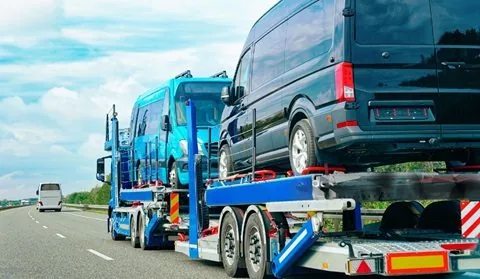
Open transport moves a vehicle on an uncovered trailer and is a common option for standard cars. Enclosed service uses a covered trailer and may be requested for a classic, collector, luxury, or sensitive model. Ask about dates and availability for the route. An enclosed rig can require extra space, so discuss downtown staging and narrow residential streets before choosing. Door-to-door means the nearest safe, legal place the carrier can reach, not guaranteed access to a garage, dock, or private lane.
Share the year, make, model, condition, service preference, origin, destination, and date range when requesting a quote. Include access notes and facility rules. Review the price, pickup estimate, payment schedule, and cancellation terms before booking.
07Make the delivery contact part of the plan
Give the recipient the exact address, entrance, estimated window, and how the coordinator will send updates. Confirm the person can meet the driver and inspect the car. If you will be away, appoint an authorized contact and provide them the order details. Keep another phone number available in case the arrival estimate shifts or a gate is closed.
At drop-off, compare the vehicle with its pickup condition report, note any concern, and retain paperwork. If the address changes, notify dispatch so the driver receives one reliable set of directions. Clear delivery instructions help avoid leaving a vehicle at an unattended curb or a location that cannot accept a trailer.
Some Columbus addresses sit behind a leasing office, campus security, or an office park with limited hours. Verify who can admit the carrier and whether the vehicle must be moved to an outdoor staging area before the truck arrives. If the pickup is tied to a student move, confirm a parent or authorized person can attend after the student leaves. At a private sale, agree with the seller on keys, title paperwork, and a realistic release period. When a neighborhood street is packed with parked cars, choose a location where the trailer can stop without blocking a bus route or emergency access. Text the final location to the recipient and the coordinator, then keep your phone available through the handoff.
Before dispatch, review whether the staging point has enough open length for a trailer and the car to be inspected without blocking through traffic. A school, hospital, or municipal office may have peak arrival periods that conflict with a carrier window. Ask the site contact for a quieter approved time and share it with the coordinator. If the pickup is from a multi-unit building, give the resident a way to guide the driver from the public entrance to the loading place. These local details make the move easier to complete even when the actual route through Central Ohio is short.