01Give the carrier the exact Des Moines entrance
Des Moines vehicle pickups may be downtown, in an apartment complex, at a campus, at a dealership, or in a business park. Provide the street address, ZIP code, building name, neighborhood, and the entrance for the car. Mention one-way streets, parking decks, loading docks, gates, and any trailer clearance limit. A passenger-car space may not offer room for a carrier to stop, inspect, and load.
Ask the property contact where commercial vehicles may stage and whether a reservation is required. If the address is tight, agree on a permitted alternate location and confirm it is open during the pickup window. Send the exact address to dispatch and the receiver. “Near the Capitol” or “by the river” does not provide a workable handoff point.
02The metro includes separate suburbs and county roads
A Des Moines request may actually be in West Des Moines, Ankeny, Urbandale, Altoona, or a rural property beyond the suburbs. Use the municipality and ZIP code shown on the address. A residential subdivision, industrial park, and acreage have different access. Describe the last road, gate, surface, and turning room; tell dispatch whether the truck can reach the driveway.
If the final approach is too narrow or soft, select a permitted staging point on a maintained road. Confirm the recipient can get there and has enough time to inspect the vehicle. For an interstate move, include the other state and complete delivery address. A city-center estimate may not reflect a home near the edge of the metro or beyond it.
03Iowa 511 can help with conditions near pickup
Iowa DOT’s 511 service provides statewide information for traffic events, cameras, signs, road conditions, and state highway travel. Check it close to the agreed window, especially when construction or weather may affect I-35, I-80, or an approach road. The system does not guarantee that a private drive or county road is open. Keep a local contact available to confirm access at the property.
If a closure, crash, or storm changes the route, coordinate a safe alternative through dispatch. Keep your phone on and the car ready during the date range. If a move depends on a closing or work start, share the deadline before booking. An estimated arrival is not an exact appointment unless it has been confirmed.
04Confirm facility release and vehicle readiness
A dealer, auction, repair shop, storage yard, or fleet may have an appointment window, release paperwork, carrier authorization, or a separate vehicle pickup entrance. Verify the car is cleared. Provide the stock or lot number, hours, gate, and direct contact for the person who can release it. If the vehicle is still being repaired or sold, resolve that before dispatch.
Tell the coordinator whether it starts, rolls, steers, and brakes. Mention any low clearance, modification, or mechanical issue. Remove loose items, have keys ready, photograph the vehicle, and review the condition form with the driver. An authorized representative can complete the handoff if they have the order details and enough time to inspect the car.
05Match the transport option to the vehicle
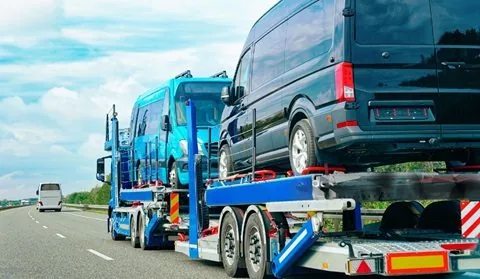
Open transport carries a car on an uncovered trailer and is a common choice for standard vehicles. Enclosed service offers a covered trailer and may be requested for a classic, collector, luxury, or sensitive model. Ask what is available for the route and dates. A large trailer may need a wider staging area than a downtown curb or townhouse drive. Door-to-door means the closest safe and legal spot a carrier can reach, not guaranteed access to a garage or private property.
Provide the year, make, model, condition, exact addresses, preferred service, and date range for a route quote. Include loading restrictions and facility rules. Ask what is included, payment timing, pickup estimates, and cancellation terms before confirming.
06The recipient should be ready before the car arrives
Give the delivery contact the precise address, entrance, estimated window, and how dispatch will communicate. Confirm someone can meet the carrier, inspect the vehicle, and accept the keys. If you cannot be there, appoint an authorized local person and share the order details. Keep a backup number ready if a workday or traffic delay affects the main contact.
At delivery, compare the condition with the pickup report and record any concern before signing. Keep photos and paperwork. If the property or date changes, tell dispatch so the driver receives a consistent plan. Clear contact arrangements are useful for moves that continue from Des Moines to a smaller Iowa town where a missed handoff can create a lengthy second trip.
A downtown or campus address can have a visitor entrance that differs from the service driveway used for deliveries. Confirm which gate admits a vehicle transporter and whether building staff need advance notice. If a resident plans to meet the carrier on a public street, verify there is a legal place for the truck to stop and space to inspect the car. For a home in a subdivision, ask if a gate attendant needs the carrier details. Give dispatch the name of the person authorized to open access, along with a backup number. When the move is tied to an office relocation or housing turnover, leave enough flexibility for the facility to release the vehicle during the actual carrier window.
The pickup and delivery contacts should each confirm the handoff site is open for the full range, not only at the beginning of the day. A loading area may be reserved for moving vans or building deliveries. If the carrier is delayed, ask whether the property can extend access or whether a nearby alternate should be used. Give the coordinator the direct number for the person who can make that decision. For rural addresses beyond the suburbs, verify directions from a paved county road and tell the recipient where the carrier should turn. A clear plan avoids an unnecessary second trip across central Iowa.
For a vehicle moving to a new apartment, have the building confirm whether the carrier can use a loading zone or if the resident must meet outside. A home sale may also leave a gap between when the seller can release the car and when the buyer can receive it. Coordinate both contacts so the vehicle is not left unattended. If an alternate spot is needed, verify it is open, permitted, and easy to find from the main road. Give dispatch the person who can make a decision if weather or building access changes during the window.