01A Fargo pickup needs a neighborhood-level handoff plan
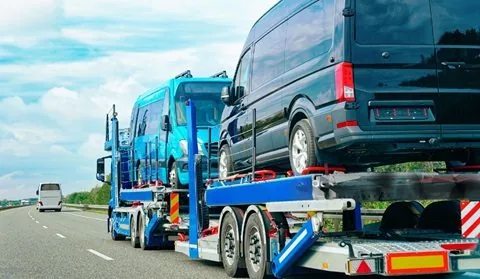
Fargo is a city-sized label; a carrier needs the street, ZIP code, and a usable place to load. Tell us whether the car is at a house, apartment community, dealership, office, storage facility, or campus. A long vehicle transporter needs enough space to stop, inspect, and position safely. If a building has a loading dock, reservation system, gate, or restricted commercial access, arrange permission before the pickup window. A map pin does not tell the driver whether a curb is legal or a private lot will allow a carrier to enter.
For a narrow residential street or a lot with tight turns, suggest a nearby open area where the vehicle can be handed over. Confirm that the location allows a safe stop and that the owner or representative can meet the driver there. If the pickup point changes, send the new address to dispatch rather than relying on a text exchanged only with the driver. A clear meeting plan prevents last-minute circling and lets the inspection happen away from moving traffic.
02Understand where the route goes after Fargo
Fargo’s position near the junction of I-29 and I-94 makes several route directions possible, but the delivery destination determines the actual trip. A move north toward Grand Forks, west toward Bismarck, south across the South Dakota line, or east into Minnesota has a different distance and arrival plan. Give the city, state, and ZIP at both ends; Fargo and Moorhead are neighboring cities in different states, and a state omission can create a costly misunderstanding. If the final address is outside a metro, include the road and nearest town rather than stopping at a regional label.
For a purchase, confirm exactly where the seller will release the car. Dealers and storage locations may have opening hours, appointment rules, and paperwork requirements. For a relocation, make sure the receiving person is available at the destination and has room to inspect the vehicle. If you do not yet know the final address, provide the best available destination ZIP and update the quote before confirming the order. Route changes can affect timing and price, so keep both endpoints accurate throughout the booking.
03Winter access deserves its own checklist
Snow and wind can affect Fargo handoffs even when the vehicle itself is ready. Check whether the loading area and driveway will be cleared, and move snow away from the path a carrier needs to approach. If street parking restrictions or plowing leave no room for a large truck, plan a wider backup location. Give dispatch a contact who can confirm access on pickup day. When the weather report changes, stay reachable; the driver may need to adjust the meeting time or select a safer place. Do not assume a requested date overrides a road closure or safe operating decision.
The North Dakota DOT’s ND Roads and 511 information includes conditions, construction, closures, and weather resources. Consult the current report near the move, but recognize it is a snapshot and the conditions can change. Severe weather on I-29 or I-94 may affect trips far beyond the city, including a route that crosses state lines. If your plans are time-sensitive, request the quote early and offer a realistic pickup range where possible. A backup person and an accessible secondary address are practical safeguards for a winter shipment.
04Tell the carrier what is unusual about the vehicle
A standard passenger car is different from a lowered sports car, a modified truck, a vehicle with oversized tires, or one that does not run. Share the year, make, model, approximate dimensions if unusual, and mechanical condition. For an inoperable car, explain whether it steers, rolls, brakes, and can be shifted into neutral. A vehicle that cannot roll may require additional loading equipment, and that needs to be known before the carrier arrives. Remove loose exterior accessories and confirm whether roof attachments must be taken off.
Choose between open and enclosed transport based on the car and the service offered. Open trailers are widely used for standard moves; enclosed trailers add a covered environment that some owners choose for collectible or sensitive vehicles. Ask about the equipment, availability, and price for your exact route. “Door-to-door” means the closest suitable point a carrier can reach safely and legally, not necessarily a gated driveway or underground garage. If the car is in a low-clearance structure, do not assume the transporter can enter. Identify a suitable meeting point before dispatch.
05Coordinate seller release and buyer receipt
When a vehicle is being purchased, ask the seller to confirm that the car is released for transport and ready at the agreed location. Get the contact name, phone number, facility hours, and any stock or release number the site uses. If there is a balance due, title issue, or hold on the vehicle, resolve it before dispatch. The carrier should not be sent to an auction or dealer based on an assumption that the keys and paperwork will be waiting. A canceled stop can disrupt both the shipment and the driver’s other scheduled pickups.
At delivery, make sure someone can meet the carrier, inspect the vehicle, and sign the condition paperwork. If you will not be in Fargo or at the destination, appoint a trusted representative and give them the order details. Ask the receiving site to reserve enough space for the truck and keep the phone available if arrival timing changes. Photograph the car at pickup and delivery, compare its condition with the inspection report, and note any concern before completing the handoff.
06Price the complete move and realistic timing
An accurate Fargo quote depends on more than the city name. Provide both complete addresses, vehicle details, operability, preferred service, and a date window. Mention access restrictions, facility appointments, and any deadline. A cross-country route and a regional transfer are not interchangeable, and the destination determines how the carrier can fit the move into an existing lane. If the dates are flexible, say so; if they are fixed, explain the commitment that drives the schedule. Do not book around an unsupported exact-hour arrival promise.
Before accepting a quote, confirm what service is included, how pickup timing is estimated, when payment is due, and how you can reach the transport coordinator. Ask how schedule updates are provided and what happens if severe weather changes a route. Read cancellation terms and keep a copy of the order. After booking, avoid changing addresses without telling dispatch. These steps help you compare offers on actual service details rather than on a low headline number that may omit access, equipment, or timing requirements.
07Prepare the handoff without rushing the inspection
Set aside keys and remove personal belongings before the carrier arrives. Take clear photos of the vehicle in daylight, showing all sides and any existing damage. Clean enough of the exterior to make marks visible if weather permits. During pickup, walk around the car with the driver and check the written condition report. Keep a copy of the paperwork and the carrier’s contact details. Repeat the inspection at delivery before signing, and record any new concern on the delivery document. If rain, snow, or darkness makes a mark difficult to see, note that fact and take additional photos when conditions allow.
Make sure the loading site is not blocked by another parked vehicle and that the person handing over the car can stay for the inspection. If the agreed location is busy, choose a quieter legal space nearby and update dispatch. A few minutes of preparation can make the transfer clearer for the customer, the driver, and anyone handling the vehicle after delivery.