01A Louisville quote depends on the correct side of the river
Louisville-area requests can involve the city, surrounding Kentucky communities, or a destination across the Ohio River in Indiana. Use the full legal address, city, state, and ZIP code at each end. Do not describe a move only as “Louisville to the metro.” Provide a neighborhood or facility name, exact entrance, and contact for the person meeting the carrier. A pickup near a bridge, downtown street, or controlled business property may require separate access planning.
Tell dispatch if the car is in a garage, gated subdivision, auction lot, warehouse, or industrial yard. Ask where a multi-car trailer may stage and whether a loading reservation or release authorization is necessary. If a street is too narrow, choose a permitted wider location and share its precise address with both parties.
02Downtown and neighborhood access are not interchangeable
A downtown Louisville building may have a loading dock and appointment process, while a residential block may have limited curb space, one-way streets, or a steep driveway. Ask building management where a commercial carrier can wait. Check any garage height limit and make sure the trailer can turn without blocking traffic. A passenger car entering a structure does not mean the transporter can follow it.
If the driver should meet you at a wider street or lot, verify loading is legal and get permission from the property owner. Provide the alternate location before dispatch. Keep a contact available to direct the driver and open any gate. These details reduce delays when an estimated arrival coincides with a busy street or building schedule.
03The destination may continue beyond Louisville
A car leaving Louisville might go to Lexington, Bowling Green, Paducah, a rural county, or an out-of-state address. Give the exact endpoint, not a broad Kentucky label. For a farm, warehouse, or home outside town, describe the final road, surface, gate, grade, and turn-around area. If the carrier cannot enter the property safely, arrange an accessible staging location nearby and verify the recipient can reach it.
For an interstate shipment, write the destination state and ZIP. If the vehicle is going across the river into Indiana, confirm which municipality and entrance apply. The exact address influences distance and routing. Do not wait until the carrier is on the road to disclose a change from the city to a remote property.
04Facility handoffs depend on release readiness
Dealers, auctions, repair shops, and storage facilities may require carrier authorization, appointments, release documents, lot numbers, and designated pickup hours. Confirm the vehicle is cleared and identify the person who can release it. Give the correct entrance and direct contact number. If a worksite or business has a safety check-in, share its requirements before dispatch so the driver can plan enough time.
Disclose whether the vehicle starts, rolls, steers, and brakes. Mention special modifications or low clearance. Prepare keys, remove loose property, and document the car’s condition. If you cannot attend, appoint an authorized representative with the order information and time to inspect the vehicle.
05Plan for changing traffic and weather
Bridge approaches, interstate construction, incidents, and weather can alter the carrier’s route and arrival window. Check current travel conditions near the move and keep your phone accessible. A report cannot guarantee that a local entrance or private road will remain open, and an arrival estimate may shift when a carrier is handling multiple stops. Share firm deadlines in advance rather than assuming a precise time.
If the planned street is blocked or unsafe, work through dispatch to choose another location or date. Confirm that the recipient can attend the revised handoff. A safe staging point is more important than preserving a curbside plan that no longer works. Keep the keys and release documents ready while waiting.
06Select a trailer service for the car and loading site
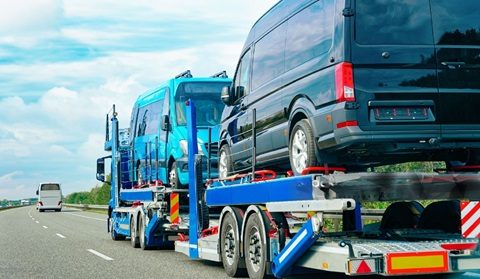
Open transport uses an uncovered trailer and is common for standard cars. Enclosed service provides a covered trailer for vehicles that need additional protection, such as classics, collectors, luxury cars, or sensitive finishes. Ask about route and date availability. The size of the equipment can affect access at a downtown dock or residential driveway. Door-to-door means as close as the carrier can safely and legally reach, not guaranteed entry to every private property.
Include vehicle details, condition, full addresses, preferred service, and a date range in the quote request. Explain the loading location and restrictions. Review what is included, payment terms, cancellation conditions, and how arrival estimates work before booking.
07Finish with an authorized person at both ends
The pickup contact should know the exact entrance, release rules, and estimated window. The delivery contact should have the full address and be able to inspect the vehicle. If you cannot attend, appoint someone who can accept keys and sign the condition report. Provide a second number if the primary contact may be working or unavailable.
At arrival, compare the vehicle with the pickup report and record any concern before completing the exchange. Keep documents and photographs. If an address changes, notify dispatch so the carrier receives consistent instructions. These steps help a Louisville transfer finish cleanly even when traffic or property access shifts the original estimate.
For a pickup near a riverfront venue, bridge approach, or busy business district, check access with the property before choosing a date. The address used by a navigation service may lead to a passenger entrance rather than a commercial loading point. Ask the contact to identify a gate that admits a long trailer and whether it is open during the full arrival range. If the car is in a multi-level garage, arrange for it to be brought to street level. For a private sale, set a clear time when both parties can inspect and transfer keys. Give dispatch the contact details for whoever will physically release the car, not only the person who requested the quote.
Check whether the meeting point remains accessible during street cleaning, delivery hours, or a building move-in period. If another event is scheduled at the property, ask whether a carrier can use the agreed entrance throughout the pickup range. For a suburban subdivision, confirm visitor access and whether a transporter must stop outside the gate. Give the person meeting the driver enough time to reach that entrance with keys and identification. A loading plan that works on a quiet afternoon may not work during a busy building or venue schedule, so verify conditions for the actual date.