01A Minneapolis handoff needs a street-level plan
Minneapolis pickups can be downtown, near the University of Minnesota, in a neighborhood, at a dealership, or in a suburban office park. Provide the full address, ZIP code, neighborhood, property name, and exact vehicle entrance. Mention one-way streets, parking decks, loading docks, gates, security, and available turning space. A car carrier needs legal room to position and inspect; a curbside space may be too short or restricted.
Ask building management where commercial carriers may load and whether a time reservation is required. A vehicle in a garage may need to be brought outside because of height or turning limits. If the block is narrow, choose an approved nearby location and tell dispatch and the receiver. Do not rely on “near downtown” or a campus name as the only direction.
02Minneapolis and Saint Paul are separate endpoints
A Twin Cities request may begin in Minneapolis and end in Saint Paul, Bloomington, Edina, Maple Grove, or another suburb. Provide the municipality and ZIP at each end. Cross-metro mileage and local access can affect both price and estimated time. For an interstate trip, state the destination and ZIP clearly. For a rural home or lake property, add the nearest town and final road.
Confirm a long trailer can reach the street and turn around. If a private drive or parking area is too tight, agree on a permitted alternate point with room to load. Give the recipient directions and ensure they can attend. A metro label can obscure an endpoint several miles beyond the address dispatch assumed.
03Campus and building access may require advance approval
The University of Minnesota, medical campuses, office towers, and managed apartment buildings may have separate service entrances and loading rules. Ask whether a carrier needs advance authorization, a dock reservation, security check-in, or a visitor contact. Check garage height and avoid routing the trailer into a parking structure. A campus map may lead to a pedestrian entrance rather than an approved vehicle-loading area.
If a move coincides with a game, commencement, or city event, confirm that street access remains available. Share approved gate instructions and the phone number for someone who can meet the driver. If the property cannot accommodate the transporter, arrange a legal alternate site with permission before dispatch.
04Winter access should be confirmed at the property
Snow and ice can affect neighborhood streets, alleys, driveways, and loading areas differently from major routes. Before the carrier arrives, clear the vehicle and the path to it, and confirm a large truck can safely approach. A plowed passenger-car driveway may still be too narrow for trailer maneuvering. If the planned site is not suitable, choose a wide alternate on a maintained road and ensure it is authorized for loading.
Check Minnesota 511 for road conditions, incidents, closures, construction, and cameras. The service helps plan the highway route but cannot guarantee a private entrance is clear. Keep your phone available and allow flexibility if weather changes the carrier schedule. The driver makes the final safety decision.
05Dealer and facility pickups need the release person ready
At a dealership, auction, repair shop, storage yard, or fleet, verify the car is released and identify who will hand over the keys. Share the correct gate, hours, lot or stock number, appointment requirements, and direct phone number. Some properties require the assigned carrier’s details before allowing entry. Resolve title, payment, or repair holds before dispatch.
Describe whether the car starts, rolls, steers, and brakes. Mention modifications or low clearance. Remove loose items and personal belongings, photograph the vehicle, and review the condition report with the driver. If you cannot attend, appoint an authorized local person and provide them with the order information.
06Choose a carrier style that fits the vehicle and site
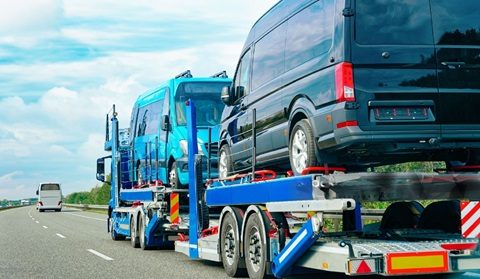
Open transport uses an uncovered trailer and is commonly chosen for standard cars. Enclosed transport uses a covered trailer and may be right for a classic, collector, luxury, or sensitive vehicle. Ask about route and date availability. Larger equipment may require more staging room than a narrow Minneapolis street or apartment dock. Door-to-door means the nearest safe and legal location a carrier can reach, not guaranteed access to a garage, private road, or restricted curb.
Provide vehicle details, condition, exact endpoints, preferred service, and dates for a useful quote. Include building rules and approved loading location. Ask what is included, how pickup estimates are calculated, payment timing, and cancellation terms before booking.
07Make sure the recipient can meet and inspect the vehicle
Give the receiving contact the exact address, approved entrance, estimated window, and dispatch communication method. Confirm they can meet the truck and inspect the car. If you will be away, choose an authorized representative who has the order details and can accept the keys. Keep a backup number available if work or weather changes the timing.
At delivery, compare the car with the pickup report and document concerns before signing. Retain photos and paperwork. If traffic or a property restriction changes the handoff, contact dispatch so the carrier gets updated instructions. A planned meeting location helps the vehicle arrive without being left at a closed dock or a snow-blocked curb.
Winter parking rules and temporary street restrictions can change where a city carrier may wait. Check the property’s current instructions and arrange an alternate lot if the normal curb is unavailable. If the vehicle is stored in a ramp, ask whether it can be brought to street level before dispatch. Large residential complexes may have more than one service entrance; give the driver the one that leads to an open staging area. A person meeting the truck should avoid waiting in a bus lane or blocked bicycle facility. Tell dispatch about any loading reservation and have the property contact confirm it remains active on the scheduled date.
When a pickup is at an office or managed residence, verify whether the vehicle must be relocated to a loading bay at a set time. A carrier may have limited room to wait while building staff bring a car from a garage. Provide the name of the person who can release the vehicle and the phone number for security. If a street closure changes the entrance, route the update through dispatch and include the new place where the driver should wait. The person receiving the car should have access to the same instructions and enough time to inspect it before signing the delivery record.