01Name the Nashville neighborhood and vehicle entrance
A Nashville-area pickup may be downtown, near a campus or music venue, in a residential neighborhood, or in a suburb beyond the city. Provide the complete address, ZIP code, property name, and the entrance where the car will be handed over. Mention one-way streets, garage clearance, loading docks, gates, security desks, and any time limit. The trailer needs legal space to stop and maneuver; curb access cannot be assumed.
Ask the building manager or event site where a commercial carrier can stage. If the vehicle is in a garage, arrange to bring it to an accessible point outside. For a tight street, settle on an authorized nearby location and send the address to dispatch. “Near downtown” or “by the stadium” does not give a driver an exact handoff point.
02Metro Nashville includes different cities and access rules
A request labeled Nashville may actually be in Franklin, Brentwood, Hendersonville, Murfreesboro, or another nearby community. Use the municipality printed in the address and include its ZIP. A suburban subdivision may have gate instructions or commercial vehicle limits, while a rural property may require a county road approach and local directions. Tell dispatch whether a large truck can enter, turn, and wait safely.
If a property cannot accommodate the trailer, arrange an approved meeting spot and verify the recipient can get there. A location across county lines can change route timing and mileage. Provide full endpoints at quote time so the estimate reflects the actual trip rather than a central Nashville pin.
03Plan around downtown closures and event schedules
Downtown Nashville can have temporary street closures, construction activity, and special event traffic. The city publishes roadway closure information and right-of-way permits for public street impacts. Check whether the planned loading area is available and whether the property has a private dock or designated vehicle entrance. Avoid sending a carrier to an event perimeter without an approved access route.
Share building contacts and event timing before booking. If the original curb becomes unavailable, choose a legal alternative through dispatch rather than improvising at a busy intersection. Confirm the new handoff address with the person receiving the car. This is especially important when a venue, hotel, or apartment tower manages its own loading schedule.
04Use SmartWay for highway conditions, then verify the last mile
TDOT SmartWay reports highway incidents, construction, weather conditions, traffic speeds, messages, and cameras. Check the relevant routes as the pickup or delivery approaches. Information may change before a carrier arrives and will not describe every local street or private entrance. A closure near a freeway can also alter the best approach to a building. The driver and dispatch decide whether access is safe.
Keep your phone available and vehicle ready during the agreed window. If conditions block the planned point, coordinate a revised time or approved alternate. Tell the coordinator about a firm deadline early and ask whether it can be accommodated. Do not expect an exact-hour arrival unless it has been specifically confirmed.
05A business release requires the right person and paperwork
If the vehicle is at a dealership, auction, repair shop, storage lot, or fleet yard, confirm it is ready for collection. Ask whether the carrier needs a release number, appointment, gate authorization, or check-in. Provide stock or lot information, operating hours, the correct entrance, and a direct phone number. A general address can lead the driver to a customer entrance that cannot admit a trailer.
Disclose vehicle operability and any modifications affecting loading. Prepare keys and remove loose belongings. Take condition photos and review the inspection form with the driver. If a representative will meet the carrier, make sure they have written authority and enough time to inspect the car.
06Choose transport and staging as one decision
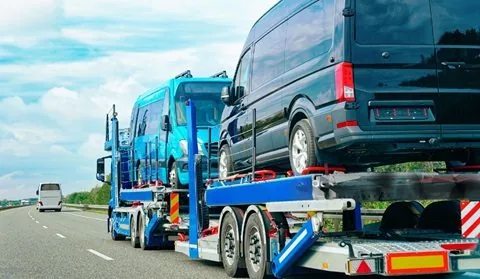
Open transport carries a vehicle on an uncovered trailer and is a common option for daily drivers. Enclosed transport uses a covered trailer and may suit a classic, collector, luxury, or sensitive model. Ask about route and date availability. Larger equipment may need more room than a downtown curb or compact garage entrance can provide. Door-to-door means the nearest safe, legal location the carrier can reach, not guaranteed access to every private drive or loading zone.
For a quote, give the vehicle details, condition, full addresses, preferred service, and date range. Add building rules, reservations, and gate details. Review included service, price, estimated pickup, payment terms, and cancellation conditions before confirming.
07Give the recipient a usable delivery plan
Send the delivery contact the exact address, approved entrance, estimated window, and dispatch contact details. Make sure a person can meet the carrier and inspect the vehicle. If you will not attend, choose an authorized representative and share your order information. Keep a backup number available in case traffic or an access rule changes the estimated arrival.
At handoff, compare the vehicle with the pickup report, note any issue, and keep the paperwork. If the address changes, tell dispatch so the driver has one current set of directions. A clear meeting location keeps the delivery from being left to a search through a crowded event district or gated community.
Many Nashville-area properties use separate resident, visitor, and service entrances. Confirm which one can admit a vehicle carrier and whether a loading bay is reserved for deliveries or move-ins. If a hotel or event site is the destination, ask where the recipient can meet a large truck without blocking guest traffic. A neighborhood with narrow streets may be better served by an approved lot nearby, but the customer should verify permission and opening hours. For a private vehicle sale, have the seller and buyer agree on who signs the condition report and when the car will be ready. Keep both contacts reachable if downtown closures or event traffic move the arrival window.
For a property near a performance venue, university, or convention site, confirm the event calendar with the facility because an ordinary street entrance may be closed during setup or crowd arrival. Ask whether the transport truck should use a service entrance and who can approve it. If delivery is to a residence on a grade, clear the approach and identify a spot where the car can be inspected without standing in traffic. Send the plan to both customer and recipient. If the approved location changes, update the dispatch record rather than giving the driver a last-minute verbal reroute.