01Pin down the New Orleans block and loading approach
New Orleans vehicle moves can involve the French Quarter, Central Business District, Uptown, Mid-City, Lakeview, the West Bank, or suburbs beyond the city. Provide the exact street address, ZIP code, neighborhood, and entrance. Mention one-way streets, narrow blocks, gates, garage clearance, loading reservations, security desks, and event restrictions. A car carrier needs room to position and load; a normal curb or passenger-car spot may not be suitable.
Ask a hotel, apartment manager, or business where a commercial transport truck can stage. If the exact street is inaccessible, arrange an approved alternative with enough space and share it with dispatch and the recipient. Avoid using a parade route, event perimeter, or private lot without permission. A landmark such as the Quarter or the river does not give a driver a reliable pickup address.
02Know whether the address is across the river or beyond the city
A customer may use New Orleans to describe a location in Metairie, Kenner, Gretna, Harvey, Chalmette, or another community. Provide the actual municipality, state, and ZIP. If a move crosses a river or uses a causeway, identify both full endpoints so dispatch can plan the route rather than assume the nearest bridge. For outlying coastal or rural destinations, add the final road, surface, gate, and local contact.
A long trailer may not be able to enter a private drive or tight neighborhood. Choose an accessible meeting site in advance and confirm permission and receiver availability. If the site is at a marina, plant, or secured yard, ask about commercial access and release rules. Accurate endpoint details prevent a quote from being based on a city-center map pin.
03Hotels, apartments, and historic properties need a loading contact
Many New Orleans buildings manage deliveries through a specific service entrance or loading window. Ask the property who can authorize a carrier and where a long truck may wait. Check for parking decks, low clearances, one-way drives, courtyards, and restrictions on idling or loading. A narrow historic street may require the customer to meet the driver at a wider approved point. Make sure the contact can be present for the full window and can direct the carrier around a closed gate.
For a vacation rental or second home, verify access dates and lockbox or gate arrangements. Do not assume a guest host can release a vehicle unless authorized by its owner. If a public lot is proposed, confirm that it permits vehicle loading. Share final instructions before dispatch to avoid a carrier arriving during a closure or event setup.
04Flood and storm conditions can affect the handoff itself
Low-lying streets and private lots may be affected by heavy rain or tropical weather even when an interstate route remains open. Use Louisiana 511 for current road conditions, closures, work zones, and weather-related information, then confirm the property entrance with someone local. A highway map cannot certify that a driveway is dry or that a gate remains accessible. The driver may postpone or change a route if the loading site is unsafe.
Keep a backup location or date in mind, especially for a vehicle stored below street level or near water. Tell dispatch about a hard deadline early. If the plan changes, send the new details through the coordinator so the driver receives one accurate address. Do not try to load on a shoulder or in floodwater to preserve the original schedule.
05Facility releases need paperwork and the correct gate
Dealers, auctions, repair shops, port-related businesses, and storage facilities can have separate carrier entry procedures. Confirm the vehicle is released, provide lot or stock information, gate, operating hours, appointment requirements, and the direct contact who can authorize pickup. If the property uses a security check-in or escort, arrange it before the carrier arrives. A public-facing address may not lead to the approved loading area.
Tell the coordinator whether the vehicle starts, rolls, steers, and brakes. Note low clearance or modifications. Prepare keys and paperwork, remove personal belongings, and photograph the car. Review its condition with the driver at pickup and retain the inspection report. If another person releases it, provide written authorization and order details.
06Select open or enclosed transport for the vehicle
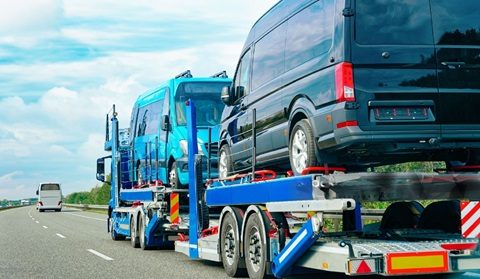
Open transport moves a car on an uncovered trailer and is common for standard vehicles. Enclosed transport provides a roof and can be requested for classic, collectible, luxury, or sensitive cars. Ask what is available for the exact route and dates. Larger equipment may not fit a narrow historic block or compact loading dock, so access should be considered alongside vehicle value. Door-to-door means the nearest safe, legal place the carrier can reach, not every curb or private courtyard.
A quote should list the year, make, model, condition, full addresses, service preference, and date range. Add gate and loading instructions. Ask what is included, how pickup timing is estimated, payment arrangements, and cancellation terms before booking.
07Make the recipient ready for the delivery window
Provide the delivery contact with the exact address, staging point, access details, estimated window, and dispatch contact method. Confirm that someone can meet the driver and inspect the car. If you cannot attend, appoint an authorized person and share the order information. Give a backup number if the recipient may be at work or traveling.
Compare the vehicle with the pickup report at handoff and document any concern before signing. Keep photos and paperwork. If a closure, event, or weather condition requires a different site, coordinate the change through dispatch. Clear communication helps the carrier unload safely and prevents a vehicle from being left on a restricted street.
For a pickup in a historic district or event area, have the property contact identify an approved truck approach, not only a customer entrance. Temporary barricades, delivery windows, and parade preparations can change access within a short period. If a street closure is planned, choose a legal alternate in advance and confirm it remains open to the carrier. Tell the recipient where to meet the truck and how to reach the driver. For garage pickups, have the vehicle brought to an outdoor space with adequate clearance. A short call to the hotel or building can prevent the carrier from arriving at a blocked doorway or a space reserved for another delivery.
If the vehicle is at a home with a courtyard or rear parking area, verify that the transport equipment can reach it and that a resident can bring the car to the street. A car may need to be moved from a reserved space before the pickup window begins. Confirm the location is not used for a scheduled delivery or street event. Give the driver a contact who knows the property and can guide the final approach without relying on an unfamiliar alley.