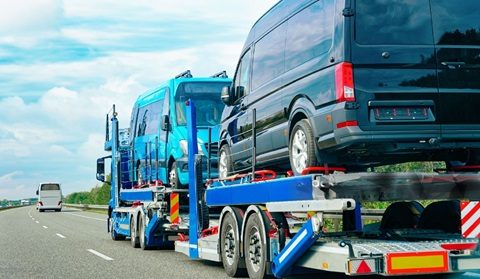
01Give the carrier a usable Oklahoma City address
Oklahoma City covers a large area with downtown streets, residential neighborhoods, campuses, office parks, dealerships, and industrial facilities. Provide the full street address, ZIP code, neighborhood, and exact entrance for the vehicle. Mention gates, loading docks, parking decks, height limits, security check-in, and room for a transport trailer to turn. A car fitting in a garage does not mean the carrier can enter it.
Ask the property manager where a commercial carrier may stage and whether a reservation is needed. If the block is narrow or access is restricted, choose an approved alternate point with sufficient loading space. Share its exact address with the recipient and dispatch. “Near the Capitol” or “off I-40” is not enough information for a reliable handoff.
02Metro suburbs and outer county addresses are separate trips
A request described as Oklahoma City may actually be in Edmond, Moore, Norman, Yukon, Mustang, or another community. Use the correct municipality and ZIP from the address. Subdivision gates, downtown curb rules, and business park access vary. For an acreage outside the metro, provide the nearest town and final road, then describe surface, gates, grade, and turnaround space.
If a large carrier cannot safely reach a private drive, select a permitted meeting location nearby and verify that the customer can get there. For an interstate move, include the destination city and state. A metro label can hide a long drive or a site that is not on a normal carrier route, so do not wait until dispatch to provide the actual address.
03Drive Oklahoma can help with the highway approach
ODOT’s Drive Oklahoma service provides interactive maps for traffic and road conditions during inclement weather, along with traffic cameras. Check current conditions before pickup or delivery, especially if storms or construction affect the planned freeway approach. An update cannot tell whether a gated property is open or whether a residential driveway has room for a trailer. Keep a local contact available to confirm access.
If a road closure or severe weather affects the route, coordinate a safe revised time or approved alternate through dispatch. Tell the provider about deadlines before booking and ask which parts of the arrival schedule are firm. A requested day is a planning range unless the carrier confirms a specific appointment.
04Campus, downtown, and event locations need advance coordination
A pickup near a university, hospital, arena, or downtown venue may involve security gates, special event traffic, or designated loading areas. Ask the property which entrance admits commercial carriers and whether a dock reservation or visitor credential is required. An event perimeter may close a street that navigation still displays as passable. Share a phone number for the person who can meet the driver and guide them to the vehicle.
If the preferred curb cannot accommodate a trailer, choose an authorized alternate lot. Confirm hours and permission before dispatch. Make sure the receiver knows where to go and can attend the full window. A location agreed with the building may be more practical than a nearby street chosen without property approval.
05Prepare a dealership or auction release
Confirm that a dealer, auction, repair facility, storage yard, or fleet has released the car and will accept the assigned carrier. Provide the stock or lot number, operating hours, release code, gate, and direct contact. If an appointment or safety escort is required, arrange it before the driver arrives. Resolve any payment, title, or repair hold before selecting a pickup date.
Describe whether the vehicle starts, rolls, steers, and brakes. Disclose low clearance, modifications, oversized tires, and mechanical problems. Have keys ready, remove loose belongings, take photos, and inspect the car with the driver. If another person completes the handoff, ensure they are authorized and have your order details.
06Choose equipment and quote terms for the actual route
Open transport uses an uncovered trailer and is common for everyday vehicles. Enclosed transport provides a covered trailer for classic, collector, luxury, or sensitive cars. Availability depends on the route, vehicle, and dates. Door-to-door means the closest safe and legal point the carrier can reach, not guaranteed entry to a garage, gated drive, or restricted loading zone. Discuss staging space at pickup and delivery.
Provide year, make, model, condition, complete addresses, date range, and preferred service. Add access rules and facility release instructions. Ask what the price includes, how the pickup estimate is calculated, payment timing, and cancellation terms. If the destination changes, update dispatch promptly.
07Make the recipient ready for the final handoff
Send the delivery contact the exact address, entrance, estimated window, and dispatch contact process. Confirm they can meet the carrier and inspect the vehicle. If you cannot attend, appoint an authorized local person who has the order details and can accept the keys. Keep a backup number available in case traffic or property access changes the estimate.
At delivery, compare the car with the pickup report and record any concern before signing. Keep photos and paperwork. If a gate or meeting point changes, contact dispatch so the carrier has one current plan. Clear instructions help finish the move without leaving a vehicle at an unattended curb or an entrance that cannot accept a trailer.
An outer-county address can use a postal city that differs from the municipality or road name the driver sees on signs. Send a written approach from the nearest main road and identify the entrance that leads to the parked vehicle. If the property uses a keypad, confirm that the code remains active during the pickup or delivery range. A business park may require visitors to stop at a security office before proceeding. For an event site, verify the carrier can enter during setup and teardown periods. Keep the vehicle owner reachable until the inspection is signed so any access or release question can be answered promptly.
For a high-rise or managed parking facility, ask if the car can be staged outdoors where the transport trailer can approach. A garage may have separate entrances for residents and commercial deliveries. Confirm the allowed route with management and provide the name of the person who can meet the carrier. At a residence, clear the driveway of other vehicles and note any low tree limbs or sharp turns. If delivery is to a rural address outside the metro, make sure the recipient can meet at a town-side alternative if the private road is soft or too narrow. Share that backup plan before the carrier begins the route.