01Wichita pickup plans start with the exact property
Wichita addresses can be downtown, in a residential neighborhood, at a campus, airport-area business, dealership, or industrial facility. Provide the full street address, ZIP code, neighborhood or company name, and correct entrance. Mention gates, parking decks, loading docks, security procedures, and space for a long trailer to maneuver. A passenger-car parking stall may not provide enough room for a transporter to stage and inspect the vehicle.
Ask the property contact where commercial carriers can wait and whether loading needs an appointment. If a private drive is narrow or a lot is controlled, arrange an approved alternative and share its address with dispatch and the receiver. Avoid directions such as “near downtown” or “by the airport” without a specific handoff point and local contact.
02The Wichita metro does not end at the city boundary
A Wichita shipment may actually be in Andover, Derby, Haysville, Newton, or a property in a surrounding county. Use the exact municipality and ZIP at both endpoints. Subdivisions may have gate or commercial truck restrictions, while rural homes and farms can add miles beyond the city estimate. Describe the last road, surface, access width, and turning area.
If a carrier cannot safely reach a private property, choose a permitted meeting place with open space and confirm the recipient can get there. For an interstate move, list the destination state and complete address. A city-center estimate will not account for a far-out rural driveway. Send any approved alternate location before dispatch so the carrier can plan a realistic route.
03Use WICHway and KanDrive for local and statewide information
KDOT identifies WICHway as a resource for Wichita metro road conditions, while KanDrive provides statewide information about conditions, construction detours, cameras, and weather on Kansas highways. Review both local and state conditions near the move. A detour or work zone can affect the route to a warehouse or residential entrance, and a state map may not show a private gate or unpaved lane.
Keep the pickup and delivery contacts available. If the planned handoff point is closed or unsafe, contact dispatch to settle on a new time or approved location. Tell the coordinator about a firm deadline before booking. A requested arrival hour is not a confirmed appointment unless the service arrangement explicitly says so.
04Business yards and vehicle facilities need advance instructions
Wichita has dealerships, auctions, repair facilities, fleet yards, and manufacturing sites where a carrier may need a release number, appointment, safety check-in, or correct loading gate. Confirm the vehicle is cleared before dispatch. Give the facility hours, stock or lot number, direct contact, and any required carrier authorization. A business address may have several entrances, and only one may accept a large truck.
Disclose whether the car starts, rolls, steers, and brakes, plus any modifications or low clearance. Have keys ready and remove personal belongings. Photograph the vehicle and review its inspection report with the driver. If an employee or family member handles pickup, ensure they have authority to release the car and enough time to complete the walk-around.
05Plan a rural final leg without asking a carrier to guess
A Wichita-area pickup can lead to a farm, lake property, small town, or worksite across open Kansas. Name the destination and nearest community, then describe the final turn from the paved route. Mention gates, road surface, low wires, drainage, soft shoulders, and space for the trailer to turn. Rural directions often rely on local landmarks; include a formal address and the person who can guide the driver.
If a site is inaccessible, settle on a nearby business or public meeting area with permission. Confirm it is open during the carrier’s window and that the receiver can reach it. Keep the alternate address in the booking notes. A clear plan is more reliable than asking the driver to locate an unfamiliar entrance after traveling across several counties.
06Select open or enclosed transport for your vehicle
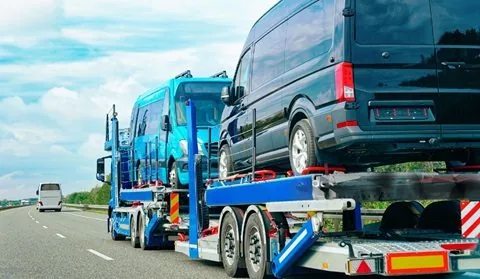
Open transport carries a car on an uncovered trailer and is commonly selected for everyday vehicles. Enclosed service offers a covered trailer and may be chosen for a classic, collector, luxury, or sensitive model. Ask about availability on the route and dates. A larger enclosed rig may need additional staging room at a compact Wichita address. Door-to-door means the closest safe, legal point the carrier can reach, not guaranteed access to every driveway, garage, or loading dock.
Provide the year, make, model, condition, service choice, full origin and destination, and date range for a useful quote. Include access and facility rules. Review what the rate includes, payment timing, pickup estimate, and cancellation terms before booking.
07Finish the delivery with a reachable contact
Give the receiving person the exact handoff address, entrance instructions, estimated window, and dispatch contact information. Confirm that someone can meet the driver and inspect the vehicle. If you will not attend, appoint an authorized local representative and provide the order details. A backup contact helps if a work shift or schedule change makes the main person unavailable.
Compare the car with its pickup condition report and note any concern before signing. Keep the paperwork and photos. If weather or a road closure requires a new meeting point, send the update through dispatch. This prevents a carrier from arriving at a locked business or an unattended property after completing a long Kansas route.
A vehicle may be ready at a Wichita dealer while the person authorized to release it works limited hours. Confirm the appointment and the release contact before agreeing to a pickup date. At a home, identify whether the car is in a backyard, side drive, or shared alley that a long trailer cannot use. Bring it to the approved staging point before the carrier arrives if necessary. If the destination is a rural address, ask the recipient to confirm road access on the day rather than relying on a map image. Keep the approved alternate location in the booking notes so a revised handoff can be made through dispatch without searching for a new lot.
If the car is part of a company fleet, ask whether facility staff need a list of incoming carrier names or vehicle identification before the visit. Confirm who will open the gate and whether the pickup area is shared with active deliveries. For residential streets, make sure the driver can wait without blocking a bus route, driveway, or emergency lane. A person who knows the property should remain reachable until the inspection and loading are complete, then confirm the expected delivery contact has the same information.