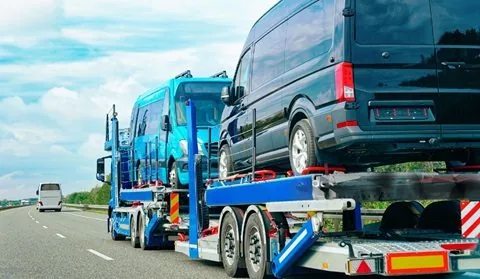
01Pin down the Wilmington address before choosing the pickup point
“Wilmington” can refer to the city, a nearby community, or a postal address in the wider northern Delaware corridor. Put the state and ZIP code beside every address, and give the actual municipality when it differs from the mailing city. Add a cross street, building name, or exact entrance if navigation may send a truck to a different side of the property. For pickups close to the Pennsylvania or New Jersey line, make sure the origin and destination are clearly distinguished in the order.
Describe where the vehicle will be parked and who controls that space. A street address may lead to a rowhouse block, secured apartment garage, office campus, dealer lot, or gated yard, each with different rules. State whether a carrier can stop at the curb, whether a loading reservation is needed, and whether a contact must admit the driver. Do not leave an instruction such as “call when close” without also explaining where the truck can wait safely. A nearby handoff site can be arranged when the property cannot accept a multi-car trailer, but it should be agreed and authorized before dispatch.
02Downtown blocks and managed buildings need a loading decision
In the city center, curb space, traffic direction, construction, and stopping restrictions can determine whether a carrier can approach a residence or workplace. Ask building management which entrance is approved for commercial vehicles. A residential lobby entrance may not be the same as the service entrance, and an underground garage may have a low ceiling or tight turn that excludes a transport trailer. If the car is parked in a garage, arrange to bring it to an accessible outdoor location before the carrier arrives.
For offices, hospitals, hotels, and campus properties, confirm visitor check-in, security rules, loading hours, and any appointment or credential. Tell the contact the carrier’s estimated window and provide a direct number for the person meeting the driver. If the planned curb will be occupied, use a legal alternate lot that allows loading and vehicle inspection. Do not assume a public garage or retail lot permits commercial pickup. Get permission, confirm the lot will be open, and share its exact entrance with dispatch and the receiver. Those details prevent the driver from circling a one-way block while the vehicle remains inaccessible behind a gate.
03I-95 is only one part of a northern Delaware move
I-95 links Wilmington with major regional markets, while I-295, US 13, and US 202 serve different approaches through New Castle County. Construction, bridge traffic, and urban streets can add uncertainty even on a modest-distance move. Share whether the car is being transported within Delaware or onward to another state, and include both complete addresses so the quote is based on the real lane. If a move is associated with a home closing, job start, or lease date, tell the coordinator the deadline and keep a practical range for the carrier’s arrival.
DelDOT’s traffic information can help you review current advisories, road work, cameras, and weather conditions. Use it near pickup, and pass important changes to dispatch. An online map does not establish that a particular building or street can accommodate a trailer. If a bridge approach or work zone affects the route, allow the transport provider to select a lawful detour and update the time estimate. Never ask the carrier to load from a shoulder, ramp, bus stop, or blocked travel lane. A safe staging place and one agreed approach are more useful than a pin that places the truck at the nearest highway exit.
Many requests use Wilmington as shorthand for a destination farther south or west. Name the actual town at the other end, whether it is Newark, Middletown, Dover, Georgetown, or a coastal community. That distinction affects mileage, route selection, and the final access check. A shipment to a rural address should include directions from a main paved road, the correct driveway, and a contact who can verify the entrance. Tell the carrier about a gate, narrow private lane, steep grade, low tree limbs, or limited turnaround.
If the property cannot safely receive a large trailer, agree on a location closer to town. Verify that the site is legal for loading and that it has enough room to park, inspect, and turn. Tell the receiving person where to go and when to be available. For a buyer collecting a vehicle from a Wilmington dealer or auction, check that the release paperwork is complete, the stock number is correct, and the assigned carrier is expected. Confirm lot hours and any check-in instructions instead of relying on the address alone. A person who can resolve a release question should remain reachable until the inspection is complete.
04Plan coastbound deliveries around access and seasonal traffic
A Wilmington-origin move to Delaware’s beaches becomes a different kind of delivery as it approaches the coast. Seasonal visitor traffic, weekend congestion, local events, and limited street parking can make a narrow arrival window difficult to honor. If the car is going to a second home or rental property, verify the property will be open, the driveway is clear, and someone can receive the vehicle. Give dispatch a range rather than requiring a precise hour unless an appointment has been confirmed.
Resort entrances, beach access roads, and small residential streets may not offer room for a transport trailer to wait. Choose an authorized lot or larger nearby property if needed. Check opening hours and loading permission before relying on a business lot. Send the receiver the final address and the agreed meeting point in the same message. If storm conditions, construction, or a temporary restriction changes the planned approach, ask the coordinator to update the handoff. A local contact can check the last few miles before the truck departs its prior stop; that check is especially useful where navigation does not show a private gate, seasonal closure, or narrow turn.
05Request a quote that accounts for the real car and site
Provide the year, make, model, operability, full pickup and delivery addresses, and a date range. Tell the provider if the vehicle has low ground clearance, oversized wheels, aftermarket parts, a dead battery, or another condition that affects loading. Open transport is widely used for standard vehicles; enclosed transport may fit a classic, collector, luxury, or unusually sensitive car. Equipment availability depends on the lane and dates, so ask what is feasible before setting expectations with a buyer or recipient.
Door-to-door service means the carrier will approach the nearest safe and legal point available. It cannot promise entry into a constrained garage, private loading dock, gated road, or prohibited curb. Include building rules and alternate staging details in the initial request. Review what the quote covers, how pickup timing is estimated, what payment terms apply, and the cancellation policy. Share schedule changes promptly. A clear scope helps avoid a mismatch between the service booked and the stop the property can actually support.
06Document condition at both ends of the move
Before the carrier arrives, remove loose belongings and photograph each side of the car, including the roof, glass, bumpers, and wheels. Make sure the keys are available and that the vehicle can be driven or disclose why it cannot. At pickup, walk around the car with the driver and compare visible marks with the condition report. Keep a copy of the paperwork and the contact details for the transport team. A dealership or auction contact should know who can sign the release and which documents the driver needs.
At delivery, inspect the vehicle before signing the receipt. Record any new concern on the delivery paperwork and retain the photographs. If a friend or family member is receiving the car, send that person the instructions and order details in advance. Keep a backup contact available if building security or a lot attendant cannot locate the vehicle. These steps turn a busy Wilmington curb or a suburban meeting point into a verifiable handoff, and they make it easier for both parties to address a question while the driver is still present.