01Albany can be a city stop or a starting point for upstate miles
A request for Albany may refer to a downtown address, a state or office campus, a suburban property, or a town farther along the Hudson Valley. Give the exact municipality, street, ZIP code, building or lot, and location of the vehicle. Include the real delivery town and state at the other end. “Capital Region” may describe many communities and should not substitute for an address.
Tell dispatch if the car is in a garage, private yard, office loading zone, dealer, or residential driveway. Note gate procedures, building security, loading reservations, height limits, road slope, and turning room. If a property cannot accept a carrier, select a permitted outdoor staging point before scheduling. Confirm a named person can meet the driver and authorize access. Precise details help dispatch estimate the actual route rather than stop at a city center or a nearby interchange.
02Downtown and government properties may require advance clearance
An Albany government office, campus, hospital, or downtown building can have security procedures and loading rules distinct from public visitor access. Ask which entrance admits a vehicle carrier and whether an escort, credential, delivery appointment, or vehicle registration is required. A lobby address may not lead to the garage or lot where the car is stored. Provide the contact who can authorize entry and remain available during the carrier window.
Confirm loading hours and whether the selected space can accommodate the trailer. Parking garages may have clearance or turning restrictions. A public curb may have controls that prevent a long stop. If necessary, arrange a property-approved outdoor handoff and provide its exact entrance. For a dealer or auction release, give the stock number, lot, hours, and paperwork details. A prepared access plan can keep a carrier from reaching the capital only to wait outside a secured gate.
I-87 and I-90 help orient many Albany-area moves, but the actual route and last approach depend on the origin and destination. A delivery may continue down the Hudson, toward the North Country, or across the state. Provide complete addresses and ZIP codes, and specify whether a bridge or other crossing is part of the route. Let dispatch plan for the carrier’s equipment instead of relying on passenger-car navigation.
511NY provides traffic, construction, incident, closure, and road condition information. Check it near the pickup and share material changes with the coordinator. It cannot verify private driveways, loading permissions, or facility hours. If a work zone blocks the approved meeting place, arrange a safe alternate with permission. The receiver should stay reachable in case traffic changes the arrival estimate. Avoid promising a precise hour based only on mileage between Albany and another city.
03Suburban and rural properties need different arrival instructions
A suburban driveway may offer ample space once parked cars are moved, while a rural property can involve a narrow private road, steep grade, low branches, or a limited turnaround. Describe the approach from a named road, the surface, gate, clearance, and available space. Ask a local contact to verify the route and clear the vehicle area shortly before pickup. A map pin can point to a neighboring entrance or a service road.
If the carrier cannot reach the property safely, choose a permitted location near town with enough paved space to inspect and load. Confirm its owner approves commercial use and that it will be open. Tell the receiver where to meet and how to reach the site. Do not send a trailer down a private lane without checking whether it can exit. A local contact should remain available to guide the driver through the final approach.
04Appointment windows should fit the facility as well as the route
If the vehicle is at a dealership, auction, repair facility, storage site, or fleet yard, verify the release is complete and the assigned carrier will be admitted. Provide the stock or lot reference, operating hours, gate, appointment rules, and release contact. Ask if the driver needs to be registered. Resolve payment or paperwork holds before the pickup date.
For a residential move, confirm the receiver can meet during the estimated range. If a lease, job, or sale creates a hard deadline, tell dispatch and ask which flexibility is needed. A carrier may have earlier stops and encounter traffic or weather. Confirm how schedule changes will be communicated and who owns the update. A firm building slot should have a backup plan in case the driver is delayed.
05Select equipment after stating the vehicle’s condition
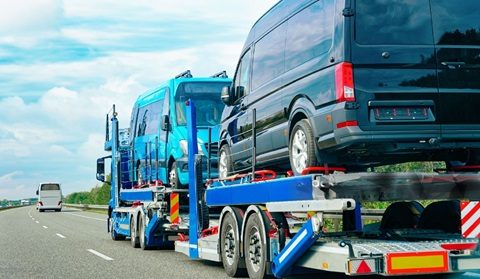
Open transport is a common choice for everyday vehicles on uncovered trailers. Enclosed transport uses a covered carrier and may be appropriate for classic, collector, luxury, or sensitive vehicles. Availability depends on route, dimensions, and dates. Tell the provider whether the car starts, rolls, steers, and brakes. Disclose low clearance, custom parts, oversized tires, roof racks, or mechanical problems that affect loading.
Provide the year, make, model, complete addresses, requested range, service preference, and property restrictions. Door-to-door service reaches the closest safe and lawful point the carrier can access; it does not promise entry to a secured campus, garage, private road, or restricted curb. Ask what the quote includes, how pickup timing is estimated, payment terms, and cancellation conditions.
06Finish with photographs and matching paperwork
Take dated photos of each side, roof, glass, wheels, and existing damage before loading. Remove belongings and have keys ready. Review the condition report with the driver and retain a copy. At delivery, inspect the vehicle before signing and write any concern on the receipt. Keep both records and the carrier’s contact details.
An authorized third party should receive the order number, entrance, release instructions, and permission to act. Keep the destination contact available if traffic or access changes the window. If the driver must use an alternate, send the same written update to both endpoints through dispatch. A clear record helps close an Albany move whether it ends in the city or on a rural road beyond the Hudson corridor.
When a pickup involves an office or government property, distinguish the public building from a fleet or employee parking lot. Confirm which gate and lot the carrier should use, whether a visitor pass is needed, and who can sign the release. Some properties route outside vendors through a service entrance that differs from the address used for regular visitors. Send those instructions and the contact’s phone number with the order, then verify the arrangement remains active on the selected date.