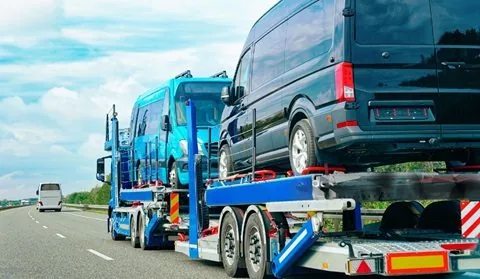
01Identify the Syracuse neighborhood and the real destination
Syracuse can mean a downtown block, a university property, a suburban home, an industrial site, or an address beyond the city in Central New York. Give the full street address, ZIP code, neighborhood or municipality, and exact vehicle location. Include the destination town and state rather than saying only “upstate.” If the mailing city differs from the place the driver sees on local signs, list both.
Describe the property before scheduling: garage clearance, loading reservation, driveway grade, gate, surface, turning room, and who can meet the carrier. A university or hospital may require a service entrance and advance notice. A residential street may have limited stopping space. If the location cannot accept a large trailer, choose a permitted alternate with enough room to inspect and load. Send dispatch a contact who can guide the driver to the correct entrance.
Snow, ice, plowed banks, and temporary parking controls can change a Syracuse handoff even if a main highway is open. Clear snow from around the vehicle and confirm a trailer can approach, stop, and leave without being blocked. Tell dispatch about a steep drive, narrow street, unplowed private lane, or garage that is difficult to exit. If conditions are uncertain, use a level paved meeting point rather than asking the driver to test the property access.
Check 511NY and local property conditions near the scheduled move. Road reports do not confirm that a private lot has been cleared or a curb remains available. Ask a nearby contact to verify access shortly before dispatch. Keep the pickup range flexible during active weather, and identify a backup person in case the primary contact cannot get to the site. If a building has winter parking rules, confirm the approved loading area before the truck arrives.
02Interstate access does not replace a last-mile plan
I-81 and I-90 help orient many Central New York routes, but dispatch still needs the exact address and local approach. A carrier going to a nearby town or rural property may leave the corridor well before reaching the vehicle. Provide directions from a named main road and point out the correct entrance. Do not assume passenger-car navigation selects a suitable route for a loaded auto transporter.
NYSDOT’s 511NY offers road and winter condition information, incidents, construction, and closures. Check updates near pickup and share relevant changes with the coordinator. An online map cannot verify driveway slope, snow clearance, gate status, or parking permission. If construction blocks the agreed street, select a legal alternate and give its entrance to the receiver. A realistic arrival window accounts for travel conditions and time at prior stops.
A university, hospital, research property, or institutional fleet may use different gates for visitors and service vehicles. Ask which entrance admits a carrier and whether security needs an appointment, credential, escort, or advance notice. The driver should have the name of the person who approved access. Confirm whether the car is in a garage with height or turning limits, and arrange outdoor staging if the trailer cannot enter.
At a dealership, auction, or repair site, give the stock or lot number, release contact, hours, and paperwork requirement. Confirm the vehicle is cleared for pickup and make keys available. Resolve any account hold before dispatch. The contact should remain reachable during the pickup range and be able to show the exact vehicle. These details keep a campus or commercial stop from delaying a route through Central New York.
03Suburban and rural endpoints call for different staging
A suburban driveway may be simple if other cars are moved and the carrier can turn. A rural address may add a narrow lane, soft shoulder, low branches, or a long approach. Describe the surface, grade, gate, width, and space to maneuver. Have a local person check the last section and clear the vehicle area. If the trailer cannot safely enter, identify a nearby location where loading is permitted.
Confirm that a staging lot is open, authorized, and large enough for inspection. The receiver should know the exact entrance and have transportation to it. Do not expect a driver to leave the car unattended on a shoulder or at a closed business. A written set of directions from a main road can be especially useful for addresses that navigation labels by a nearby village rather than Syracuse.
04Match transport service to condition and timing
Open transport is commonly used for standard vehicles on an uncovered trailer. Enclosed service provides a covered trailer and may fit a classic, collector, luxury, or sensitive car. Availability depends on the route, dimensions, and date range. State the year, make, model, and whether the car starts, rolls, steers, and brakes. Disclose modified ground clearance, oversized wheels, roof accessories, and mechanical problems.
Include full addresses, preferred dates, service type, and all access notes in the quote request. Door-to-door means the closest safe and legal point a carrier can reach, not guaranteed entry to a garage, private road, or snow-blocked driveway. Ask what the estimate covers, how pickup timing is calculated, payment terms, and cancellation rules. If the move is tied to a school term or job start, explain the deadline before booking.
05Keep a condition record through delivery
Photograph the vehicle in good light before loading, including the roof, body, glass, wheels, and existing damage. Remove personal belongings and keep the keys ready. Walk around the car with the driver and review the pickup condition report. Retain the paperwork and the carrier contact details. At delivery, inspect before signing and add any concern to the receipt.
If another person handles either end, provide the order number, entrance instructions, and authority to release or accept the car. Make sure the receiver can meet at the agreed staging place and is reachable if weather shifts the arrival. Send schedule changes through dispatch and repeat them to both endpoints. One current plan makes a Syracuse-area handoff more orderly even when winter access or a facility appointment changes the original location.
For a student or employee move, coordinate vehicle access with the actual move-out date and not only the residence contract. A campus lot may require an authorization before the car can be released. Confirm that the driver can reach the correct parking area and that a person will be present to show the vehicle. If weather changes the lot entrance or street parking rules, use an approved alternate and inform the receiving contact before the carrier is on its way.